Plants for Clay Soil with Poor Drainage: Practical Solutions for Midwest Gardeners
Plants for Clay Soil with Poor Drainage: Practical Solutions for Midwest Gardeners
Clay soil, especially the type with poor drainage, can present a significant challenge for gardeners. Its high clay content and dense structure make it difficult for water to penetrate, resulting in soggy or compacted soil that suffocates plant roots. However, with the right approach and plant selection, even a clay soil garden can become a thriving, beautiful space. In this article, we’ll explore practical solutions, plant recommendations, and tips for improving heavy clay soils and ensuring the success of your garden.
Understanding Heavy Clay Soils
Heavy clay soils are known for their small, dense clay particles, which cause poor drainage and slow the movement of air and water through the soil. Clay soil feels sticky when wet and hard when dry, making it difficult for plant roots to penetrate. This type of soil has the smallest soil particle size compared to loamy or sandy soils, and as a result, it holds more moisture. When water collects in the soil, it can lead to soggy conditions, especially after periods of rainfall or in low-lying areas.
Gardeners often face difficulty when working with clay soil, but it’s important to understand that not all clay soils are the same. There are silty clay soils, sandy clay soils, and loamy clay soils, each with varying levels of drainage and organic matter content. In general, clay soil has a high potential for fertility, but its structure needs improvement to enhance plant growth.
Improving Clay Soil for Better Drainage
One of the best ways to improve the soil structure of heavy clay soils is by incorporating organic materials like compost, leaf mold, and well-rotted manure. These materials help to break up dense clay particles, improve soil texture, and enhance water drainage. Adding coarse grit or sand is another good idea for increasing air circulation and drainage in the soil. It’s essential to work these materials into the soil surface regularly, especially in late winter and early spring when preparing your garden beds for planting.
Using soil amendments to improve clay soil can significantly reduce water loss and improve soil moisture balance. Adding organic matter also encourages beneficial microorganisms that break down organic materials, enriching the soil type and promoting better plant growth.

Choosing the Right Plants for Clay Soil Gardens
While improving the structure of clay soil is essential, selecting plants that thrive in clay and wet soil conditions is just as crucial. Some plants are more tolerant of heavy soil and poor drainage, making them excellent choices for clay soil gardens. Let’s explore some clay-busting plants that can thrive in moist conditions and even wet areas.
1. False Sunflower (Heliopsis helianthoides)
False sunflower is a tough plant that thrives in clay soil with poor drainage. It produces bright yellow, daisy-like flowers in late summer, attracting pollinators such as bees and monarch butterflies. False sunflowers are tolerant plants that can grow in both full sun and part shade, making them ideal for perennial borders or sunny borders in clay soil gardens.

2. Black-Eyed Susan (Rudbeckia hirta)
Black-eyed Susans are a great choice for gardeners dealing with heavy clay soil. These perennial plants offer long-lasting color with their cheerful yellow flowers and dark centers. Black-eyed Susans are easy to grow and can tolerate moist soil conditions. They perform well in full sun or partial shade, making them a versatile addition to clay soil flower beds.

3. Purple Coneflowers (Echinacea purpurea)
Purple coneflowers are low-maintenance plants that produce nectar-rich flowers, attracting bees, butterflies, and other pollinators. Their deep roots make them ideal for clay soil with poor drainage, as they help break up compacted soil. Purple coneflowers bloom from early summer through late fall, providing a beautiful display of purple flowers with orange centers.

4. Swamp Rose Mallow (Hibiscus moscheutos)
If you’re looking for a large evergreen shrub or small tree to plant in clay soil, swamp rose mallow is an excellent choice. This ornamental plant produces large, spiky bottle-brush flowers in shades of pink, purple, or white. Swamp rose mallow tolerates heavy soil and moist conditions, making it suitable for low-lying areas and wet soil.

5. Blue False Indigo (Baptisia australis)
Blue false indigo is a clay-busting plant that features spiky bottle-brush flowers in a striking blue color. This perennial plant thrives in heavy clay soils and poor soil conditions while adding a pop of color to perennial borders. It’s also a great choice for erosion control in clay soil gardens, thanks to its extensive root system that helps hold the soil together.

6. Mapleleaf Viburnum (Viburnum acerifolium)
Mapleleaf viburnum is a dense, large evergreen shrub that grows well in clay soil and wet conditions. It produces small, star-shaped white flowers in early spring, followed by dark berries in late fall. Mapleleaf viburnum is an excellent choice for garden beds, hedges, or screening in areas with poor drainage.

7. Crab Apple (Malus coronaria)
Crab apples are small trees that can tolerate heavy clay soils with good drainage. These trees produce fragrant white or pink flowers in early spring, making them a beautiful ornamental addition to clay soil gardens. Crab apples are also a good choice for wet areas and can help improve the aesthetics of clay soil landscapes.

8. Switchgrass (Panicum virgatum)
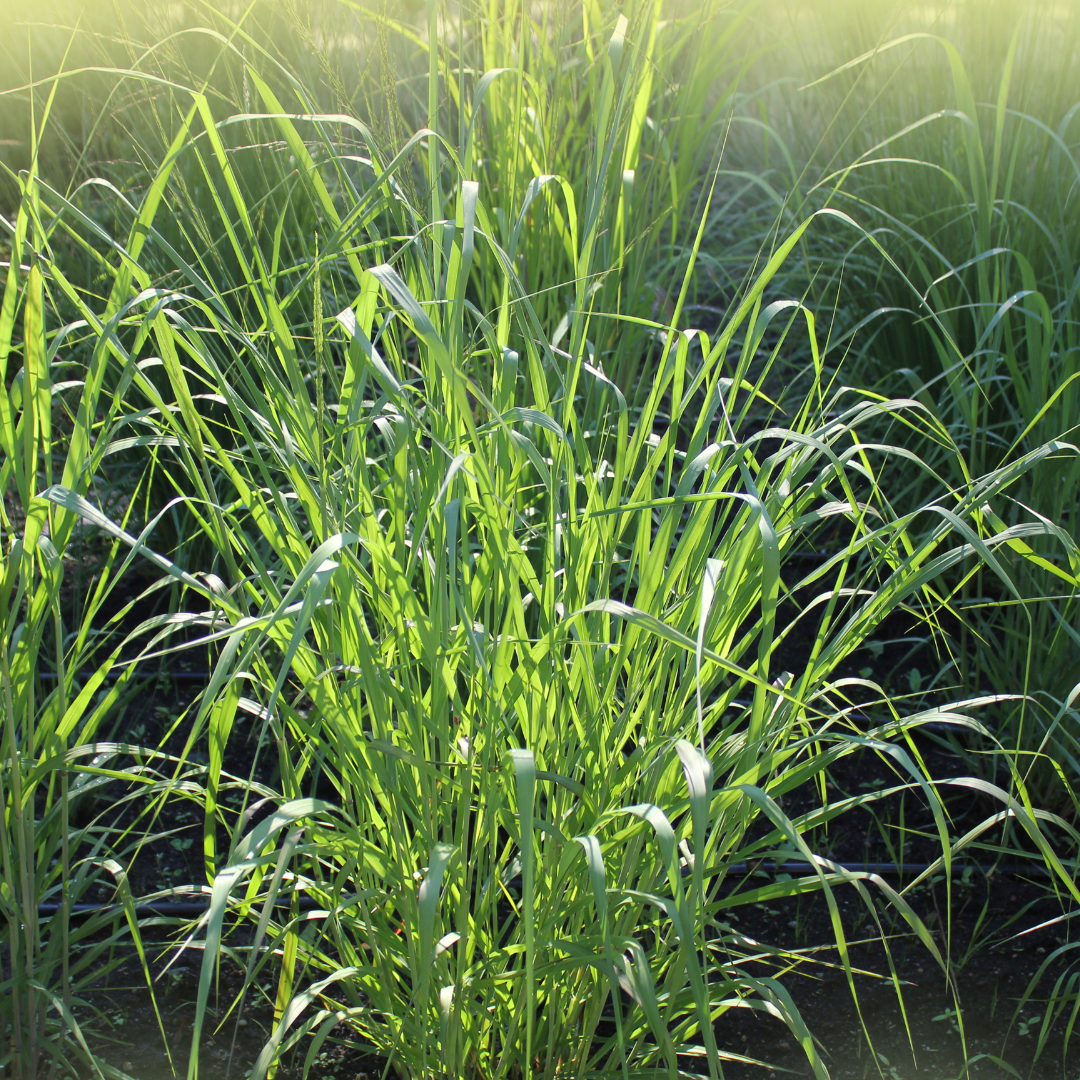
Switchgrass is a native ornamental grass that grows well in clay soil with poor drainage. Its grass-like foliage turns a golden color in late fall, providing year-round interest. Switchgrass is a practical solution for erosion control, as its root system helps stabilize soil on slopes and in low-lying areas.
Practical Tips for Clay Soil Gardens
Improving clay soil is a long process, but the results are worth the effort. Incorporating organic matter, improving drainage, and selecting the right plants for your clay soil garden are the keys to success. Here are some additional tips for managing clay soil:
- Amend the Soil Regularly: Adding organic materials such as compost, coarse grit, and well-rotted manure will improve the soil structure and enhance water drainage.
- Choose Tolerant Plants: Opt for tough plants that can handle wet soil, poor drainage, and heavy clay conditions. Native plants are often a good choice for clay soil gardens.
- Watch for Wet Conditions: Monitor your garden for signs of standing water or soggy soil. Planting in raised beds or mounding soil can help prevent waterlogging in areas where water collects.
- Mulch Your Flower Beds: Mulching helps retain moisture in the soil while improving soil structure and reducing water loss.
By working with your soil type and selecting the right plants, you can create a beautiful, thriving garden in even the toughest clay soils. With careful plant selection, soil amendments, and attention to soil structure, your garden will flourish despite the challenges of heavy clay soil with poor drainage.
Designing Native Landscape Designs for Clay Soil Yards
Creating a native landscape design for a yard with heavy clay soils can transform a challenging space into a thriving, sustainable ecosystem. Native plants are adapted to local soil types, including dense clay soil, and often have deep root systems that improve soil structure over time. When designing for clay soil yards, focus on choosing native perennials, shrubs, and grasses that naturally tolerate wet conditions and poor drainage. Consider grouping plants with similar moisture and sun requirements to minimize maintenance and water needs. For example, incorporating plants like blue false indigo, switchgrass, and purple coneflowers in sunny areas, or using wild ginger and cardinal flower in shadier, moist zones, creates a balanced and visually appealing landscape. By prioritizing native plantings, you’ll not only support local wildlife, like monarch butterflies and bees, but also reduce soil erosion, enhance soil health, and establish a resilient, low-maintenance garden that thrives in your unique clay soil environment.
Learn How To Design A Beautiful Native Garden in Clay Soil
To take your gardening knowledge to the next level and master the art of designing beautiful native landscapes for clay soil, we invite you to explore our online course, Wild Beauty. This beginner-friendly course is packed with practical tools and expert guidance to help you create thriving, low-maintenance gardens tailored to your unique soil conditions. Whether you’re working with heavy clay or poor drainage, Wild Beauty will equip you with the skills to select the right plants, improve soil health, and design stunning native gardens that support local ecosystems. Enroll today and start transforming your clay soil yard into a flourishing native landscape!