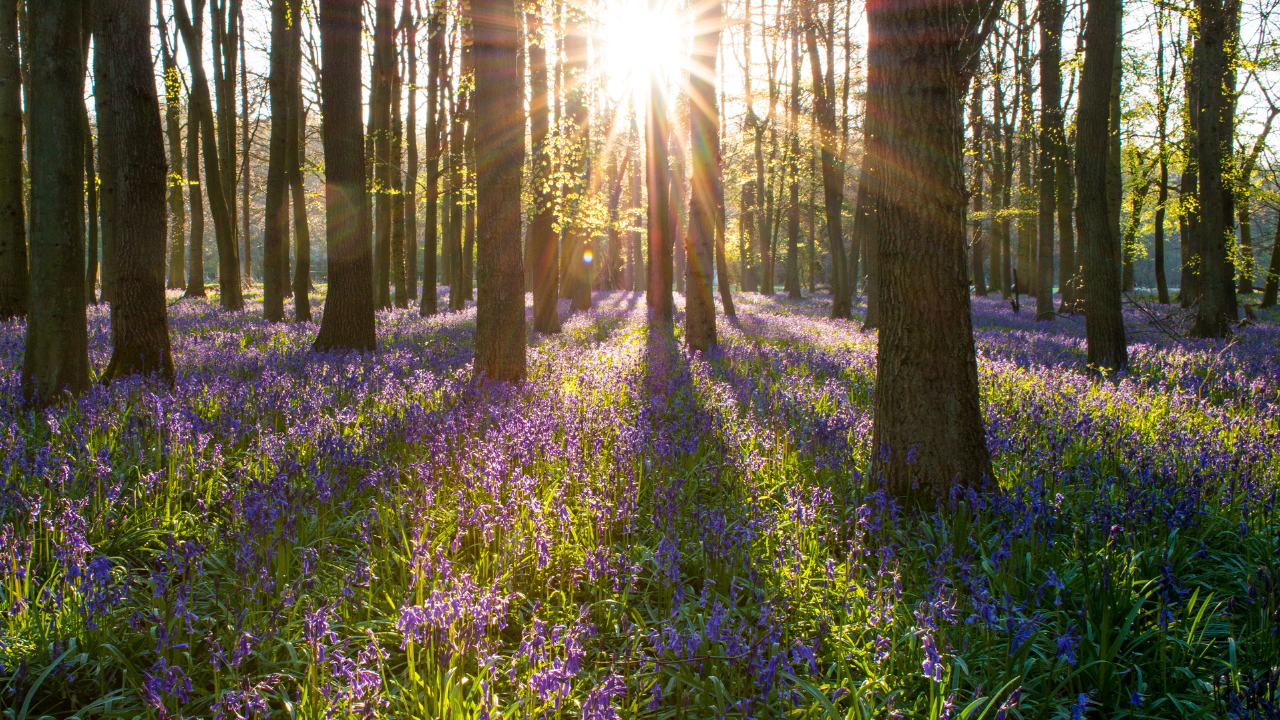
Planning Your Garden? Visit a Native Plant Nursery First
Planning Your Garden? Visit a Native Plant Nursery First
If you’re planning a garden in Michigan, the best place to start is a native plant nursery. Whether you’re planting in the sandy soils of west Michigan, the woodlands of the north, or the prairies of southern counties, using native plants ensures long-term beauty, resilience, and ecological impact.
At Bright Lane Gardens, we believe the best gardens don’t just look good—they support pollinators, protect water quality, and bring Michigan’s natural beauty right into your own backyard.
Why Native Plants Are the Best Choice for Michigan Landscapes
Native Michigan plants are uniquely adapted to our four-season climate, varied soil types, and average annual rainfall. They’re drought-tolerant, salt-tolerant, and resistant to most pests and diseases.
Unlike imported ornamentals from chain stores, native plants are:
-
Low maintenance once established
-
Critical food and habitat sources for bees, butterflies, and birds
-
Natural fits for Michigan’s riparian areas, wetlands and shorelines, woodlands, and once-open savannas
They also help with erosion control, especially in areas with steep grades or near spring-fed creeks and lakeshores.

What to Expect from a Michigan Native Plant Nursery
Visiting a native plant nursery gives you access to plants that are often impossible to find in conventional garden centers or big-box stores. These nurseries focus on well-adapted plants grown from local or regional seed sources.
You’ll find:
Native Wildflowers and Perennials:
-
Bee balm, black eyed Susan, wild bergamot, and Turk’s cap lily
-
Nectar plants for monarch butterflies and native bees
-
Beautiful blooms for spring, summer, and late summer color
Native Grasses:
-
Little bluestem (Schizachyrium scoparium)
-
Indian grass (Sorghastrum nutans)
-
Switchgrass (Panicum virgatum)
-
Grasses for erosion control and soil stabilization
Michigan Trees and Shrubs:
-
Red oak, white oak, and bur oak
-
Bald cypress (Taxodium distichum)—hardy in southern Michigan’s wetter zones
-
Sycamore (Platanus occidentalis)
-
Loblolly pine (Pinus taeda) – occasionally used in southern regions for screening and shelterbelts
These plants naturally support native bird populations, resist deer browse, and add serious aesthetic value to your garden.

Regional Focus: From the Upper Peninsula to the Black Swamp
Michigan’s Diverse Native Landscapes
Michigan is home to a wide range of ecoregions, each with unique soil, climate, and plant communities. Knowing your region helps you select the right native plants and ensures garden success.
Some of Michigan’s most important native landscapes include:
-
Post Oak Savanna (Southern Lower Peninsula)
-
Once dominated by various species of oak and open prairie
-
Fire-dependent habitat now lost due to agricultural use and fire suppression
-
Can be restored in modern landscapes using native grasses and forbs
-
-
Tallgrass Prairie Remnants (Blackland Prairie Equivalent)
-
Found along county roadsides and open fields
-
Includes species like:
-
Little bluestem (Schizachyrium scoparium)
-
Indian grass (Sorghastrum nutans)
-
Switchgrass (Panicum virgatum)
-
-
These habitats once covered a much larger area and can still be seen in restored prairies
-
-
Black Swamp Region (Southeast Michigan)
-
Historically rich in wet forests and wet prairie
-
Suitable for riparian areas, spring-fed creeks, and clay soils
-
Native planting in this region helps restore lost water filtration and biodiversity
-
-
Northern Michigan & the Upper Peninsula
-
Features intact areas of hardwood forest, bogs, and deep limestone canyons
-
Ideal for woodland species and cool-climate native wildflowers
-
These regions are critical for preserving Michigan’s ecological heritage
-
Why It Matters
Restoring native plant communities:
-
Rebuilds lost habitat for pollinators and birds
-
Improves soil structure and water retention
-
Adds seasonal beauty with spring wildflower displays and late summer blooms
-
Connects modern landscapes to Michigan’s natural history
Even small native gardens can help offset development, support bird populations, and bring color and function back to your own backyard.
The Role of Native Plant Organizations in Michigan
Support, Education & Conservation
Several nonprofit organizations across Michigan are dedicated to promoting native habitats, educating gardeners, and supplying region-specific resources to help you succeed.
Wildflower Association of Michigan (WAM)
A leading resource for gardeners and restoration advocates, WAM offers:
-
Annual conferences and speaker events
-
Native plant sales throughout the growing season
-
Access to downloadable plant lists categorized by:
-
Sun/shade
-
Moisture needs
-
Bloom time
-
-
Guides for selecting well-adapted plants for every region
Partnering Organizations and Agencies
These groups often collaborate with other local and state partners, including:
-
Michigan State Parks
-
Regional land conservancies
-
Watershed councils and municipal projects
They work together to:
-
Host educational walks, tours, and community plantings
-
Organize seed swaps, native plant fairs, and workshops
-
Restore native plant habitats in public parks, schoolyards, and community spaces
Get Involved
You can support these efforts by:
-
Joining local chapters and attending events
-
Volunteering for planting days or restoration projects
-
Shopping at their native plant sales instead of chain stores
-
Using their guides to bring native plants into your home landscape
Together, these grassroots efforts help restore native ecosystems, promote biodiversity, and keep Michigan naturally beautiful.

Why Visiting a Native Plant Nursery Is the Best First Step
Before you sketch out your planting beds or grab pots at the store, here’s why a visit to a Michigan native plant nursery can make all the difference:
1. Personalized, Local Advice
Native nurseries understand Michigan’s soil types, rainfall patterns, and microclimates—and will recommend native plants that are right for your garden.
2. Healthier, Hardier Plants
Plants grown from Michigan seed sources are better adapted and more likely to thrive with less water and no fertilizers.
3. Community and Conservation
Supporting a local native plant nursery helps keep Michigan’s ecological heritage alive and connects you with a growing network of gardeners and conservationists.
4. Discover a New Favorite Plant
Chances are, you’ll find a new plant at a native nursery that you’ve never seen in a big box store—and it may just become the star of your garden.
Reconnect with Nature in Your Own Backyard
There’s no better way to bring the beauty of Michigan’s natural landscapes into your yard than by planting native. Whether you’re restoring a shoreline, planting a sunny garden, or designing a pollinator garden, starting with a native plant nursery is the best way to ensure success.
At Bright Lane Gardens, we’re here to help you get started with Michigan-grown native perennials, grasses, and shrubs—plus expert advice, design tips, and seasonal planting guides.
Ready to get planting?
Visit us or browse our online guides to see which native plants are right for your garden. Together, we can make Michigan more beautiful—naturally.