

A Comprehensive Guide to Shade-Tolerant Native Plants for Midwest Gardens
A Comprehensive Guide to Shade-Tolerant Native Plants for Midwest Gardens
Designing a garden for shady areas in the Midwest can be both rewarding and challenging. With the right selection of native plants, you can transform even the darkest corners into vibrant, thriving landscapes. Native plants are particularly suited for shade gardens as they are adapted to local conditions and support regional ecosystems. This guide focuses on native perennial plants, shrubs, ground covers, and trees that excel in partial shade, full shade, or dappled light.
**This article may contain links to affiliate products. We earn a small commission from purchases made through any affiliate links on this website. Thank you for your support!
Understanding Shade and Light Conditions
Before planting, assess the amount of sunlight your garden receives:
- Full shade: Areas that receive less than two hours of direct sunlight each day, often under tall trees or on the north side of buildings.
- Partial shade: Locations that receive between two and four hours of sunlight, typically in the morning or late afternoon.
- Light shade: Spots with filtered or dappled sunlight, often under open tree canopies.
Assessing Your Garden’s Shade Patterns
Every garden has unique shade patterns that shift throughout the day and across seasons. Spend time observing your outdoor space during different times of the day to understand how sunlight moves across it. Consider:
- Morning and afternoon sun exposure: Areas that get morning sun but are shaded in the afternoon can support plants that tolerate part sun, while spots with hot afternoon sun require plants that prefer shade.
- Seasonal changes: In late winter and early spring, areas under deciduous trees may get more sunlight before leaves emerge. By late spring and into summer, these same spots transition into full shade.
- Structures and obstacles: Buildings, fences, and tall hedges create consistent shade that influences plant selection.
By mapping out your garden’s light conditions, you can group plants with similar needs together, ensuring they thrive in their chosen locations.
Matching Plants to Light Conditions
Selecting the right plants for the varying levels of shade in your garden is key to success. Here are a few tips to help guide your choices:
- For full shade: Focus on plants adapted to deep, consistent shade. Woodland plants like wild ginger and toad lily are ideal.
- For partial shade: Look for versatile species like spicebush or columbine that thrive in mixed light conditions.
- For light shade: Choose plants that appreciate filtered sunlight, such as coral bells and serviceberry.
By understanding your garden’s light levels and the specific requirements of your plants, you can create a lush and harmonious shade garden that thrives throughout the growing season.
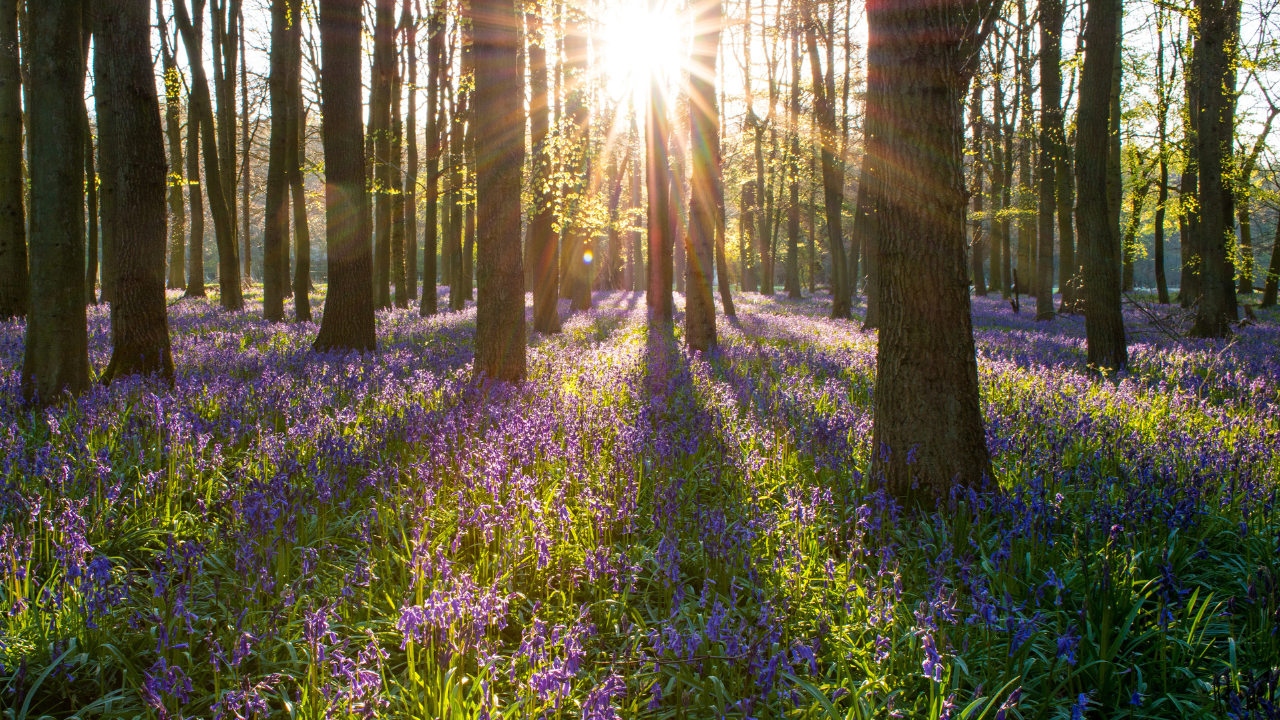
Native Perennial Plants for Shade
Native perennials bring seasonal beauty and support pollinators. Here are five excellent options for a shady Midwest garden:
1. Wild Columbine (Aquilegia canadensis)
This hardy perennial brings a splash of color to early spring gardens with its delicate red and yellow, nodding bell-shaped flowers. The blooms are a vital nectar source for hummingbirds and bees, making it an excellent choice for wildlife-friendly gardens. Wild columbine thrives in light to partial shade, tolerating various conditions from rocky outcroppings to rich woodland soils. Its attractive, deeply lobed foliage adds texture even when the flowers fade, and it self-seeds modestly, ensuring a naturalized appearance over time.
View purchasing options and additional photos for Wild Columbine here!

2. Coral Bells (Heuchera americana)
Renowned for their vibrant foliage, coral bells offer year-round appeal with leaves in shades of green, burgundy, bronze, and silver, depending on the variety. These perennials thrive in partial to full shade, making them ideal for shady borders, rock gardens, or containers. In late spring, they send up delicate stems adorned with tiny, bell-shaped flowers that attract pollinators like bees and butterflies. Coral bells are also drought-tolerant once established, making them a low-maintenance choice for shaded areas.
View more photos and purchasing options for Coral Bells here!

3. Jacob’s Ladder (Polemonium reptans)
Jacob’s ladder is named for its ladder-like arrangement of pinnate, fern-like foliage, which provides a lush, soft texture to shady gardens. This perennial produces clusters of sky-blue flowers in late spring, adding a pop of color to moist, shaded areas. It thrives in rich, well-drained soils and is perfect for woodland gardens, shady borders, or moist spots near streams. This native plant is also deer-resistant, making it an excellent choice for areas where deer browsing is a concern.
View additional photos, growing information, and purchasing options for Jacob’s Ladder here!

Jacob’s Ladder in Shade
4. Great Blue Lobelia (Lobelia siphilitica)
A standout in late summer, great blue lobelia is known for its tall spikes of brilliant blue flowers that attract hummingbirds and butterflies. It thrives in moist to wet soils, making it ideal for rain gardens, stream banks, or low-lying garden areas. This plant performs well in partial to full shade and adds vertical interest to shady borders. With its extended blooming season, it serves as a reliable source of nectar for pollinators when other plants have finished blooming.
View additional photos, growing information, and purchasing options for Great Blue Lobelia here!

5. Solomon’s Seal (Polygonatum spp.)
Solomon’s seal (Polygonatum spp.) is a graceful, shade-loving perennial with arching stems and dangling, tubular white flowers in spring. Its green or variegated leaves add texture, and it thrives in moist, well-drained soil, making it perfect for woodland gardens or shady borders. This low-maintenance plant also develops small blue or black berries in late summer, adding seasonal interest.
View additional photos, growing information, and purchasing options for Solomon’s Seal here!

Native Shrubs for Shade
Shrubs add structure and seasonal interest to shade gardens. Here are five native shrubs that thrive in the Midwest:
1. Spicebush (Lindera benzoin)
Spicebush is a versatile, multi-season shrub with small yellow flowers in early spring that light up shady areas before leaves emerge. The yellow flowers are showy and stunning, earning it the nickname “forsythia of the wild”. Its glossy green leaves turn golden-yellow in the fall, and its red berries provide food for birds in late summer. The leaves emit a spicy fragrance when crushed, adding an extra sensory dimension to the garden. This shrub thrives in partial to full shade and prefers moist, well-drained soils, making it perfect for woodland or naturalized gardens.
Interested in adding spicebush to your yard? Click here to view purchasing options!

2. Serviceberry (Amelanchier arborea)
Serviceberry is a multi-purpose shrub offering early spring white flowers, edible blue-black berries in summer, and stunning red-orange foliage in fall. The berries are a favorite among birds and can also be used for jams or baking. It performs well in part shade and adapts to various soils, from moist to well-drained. Serviceberry works beautifully as a specimen plant or in mixed shrub borders and adds elegance to shady areas.
Add serviceberry to your yard for a boost of color in the spring and fall! Click here to view purchasing options.

3. Buttonbush (Cephalanthus occidentalis)
Buttonbush is a wetland shrub that thrives in moist to wet soils, making it ideal for rain gardens, pond edges, or low-lying shady spots. Its unique, spherical white flowers bloom in mid-summer and attract bees, butterflies, and other pollinators. This shrub can tolerate partial to full shade and grows to a substantial size, making it a dramatic focal point in shaded gardens. Its glossy green foliage and structural form provide year-round interest.

4. Red Osier Dogwood (Cornus sericea)
Known for its vibrant red stems that stand out in winter, red osier dogwood is a year-round favorite for shady gardens. In spring, it produces clusters of creamy white flowers, followed by white berries in late summer that feed birds. It thrives in light shade and adapts well to moist or wet soils. This shrub is excellent for erosion control, rain gardens, or as a striking feature in mixed borders.
Additoinal photos and purchasing options for Red Osier Dogwood available here!

5. Witch Hazel (Hamamelis virginiana)
Witch hazel is a standout shrub that blooms in late fall with fragrant, yellow, spidery flowers, providing a welcome splash of color when most plants have gone dormant. It thrives in light to partial shade and grows well in a variety of soil types, from rich woodland soil to moderately dry conditions. Its spreading habit and striking flowers make it an excellent choice for woodland gardens or naturalized areas.
To view purchasing options and growing information for Witch Hazel, click here!

Ground Covers for Shade
Ground covers are an excellent way to fill large shady areas while controlling weeds and adding texture. Here are three native options:
1. Wild Ginger (Asarum canadense)
Wild ginger is a lush, low-growing ground cover with broad, heart-shaped leaves and hidden dark red flowers beneath the foliage. It thrives in full shade and prefers moist, rich soil, making it perfect for woodland gardens. This plant spreads gradually, creating a dense carpet that suppresses weeds and adds a naturalistic look to shaded areas.
Wild Ginger can be difficult to find at nurseries. To view online purchasing options for this plant, click here!

2. Pennsylvania Sedge (Carex pensylvanica)
Pennsylvania sedge is a fine-textured, grass-like ground cover that grows well in dry shade. It forms soft green mats that are ideal for underplanting trees or filling in shaded borders. This low-maintenance plant spreads slowly and requires little care once established, making it a reliable option for areas where other plants struggle.

3. Foamflower (Tiarella cordifolia)
Foamflower is a beautiful ground cover with delicate, frothy white or pink flowers that bloom in spring. Its maple-like foliage often has dark veins, adding visual interest even after the flowers fade. Foamflower thrives in partial to full shade and performs best in moist, rich soils. It is an excellent choice for shady borders, woodland gardens, or as a companion to taller perennials.
Purchase the beautiful Foam Flower here!

Native Trees for Shade
Adding small trees to shady gardens creates vertical interest and provides habitats for wildlife. Here are three native options:
1. Redbud (Cercis canadensis)
Redbud is a small, ornamental tree that heralds spring with vibrant pink flowers along its branches before leaves appear. Its heart-shaped foliage emerges green and transitions to yellow in the fall. Redbud trees thrive in light shade and well-drained soil, making it ideal for woodland edges or as an understory tree. It also supports early-season pollinators with its abundant blooms.

2. Pagoda Dogwood (Cornus alternifolia)
Pagoda dogwood features distinctive horizontal branching and clusters of white flowers in late spring. Its berries attract birds, and its foliage transitions to a rich burgundy in fall. This tree thrives in partial shade and moist soils, adding elegance and structure to shady gardens. It is an excellent choice for naturalized areas or as a focal point in woodland landscapes.

3. Eastern Hop Hornbeam (Ostrya virginiana)
Eastern hop hornbeam is a hardy tree with attractive, peeling bark and hop-like seed clusters that add visual interest year-round. It thrives in light to deep shade and adapts well to various soil types, from rocky slopes to rich woodland soil. Its modest size and graceful habit make it an excellent choice for smaller gardens or front yard landscaping with shaded corners.

Design Tips for Native Shade Gardens
A successful shade garden requires thoughtful planning and plant selection. Follow these tips to create a lush, cohesive garden:
- Layering: Combine ground covers, perennials, shrubs, and small trees to create depth and visual interest. Start with low-growing ground covers like wild ginger, add mid-height perennials such as coral bells, and finish with taller shrubs and trees like serviceberry and redbud.
- Seasonal Interest: Choose plants that bloom at different times of the growing season. Early bloomers like Jacob’s ladder and columbine provide spring color, while toad lilies and blue lobelia keep the garden vibrant in late summer.
- Foliage Focus: In shaded gardens, flowers may be sparse compared to sun-loving plants, so prioritize foliage color and texture. Coral bells, foamflower, and witch hazel offer attractive foliage that complements their blooms.
- Hardscaping: Add stepping stones, garden benches, or decorative rocks to enhance your shade garden. These features break up the greenery and make shady areas inviting.
- Moisture Management: Shady spots often have different moisture levels. Group plants with similar water needs together, such as buttonbush and spicebush in wet areas or Pennsylvania sedge and wild columbine in dry shade.
- Containers for Small Spaces: If you’re working with small spaces or shady corners, use containers filled with shade-tolerant plants. Window boxes and hanging baskets planted with foamflower or coral bells can brighten dark areas.
- Wildlife Habitat: Include plants that attract pollinators and provide food for birds. Serviceberry and spicebush are excellent choices for supporting local wildlife.
- Experimentation: Use plant tags to understand the specific needs of your selections. Try a mix of popular plants like red osier dogwood and lesser-known favorites like wild ginger to find what works best.

Overcoming Challenges in Shade Gardening
Shady gardens often present unique challenges, but with thoughtful planning and the right strategies, they can become lush, thriving spaces. Common issues include dry soil under dense canopies of evergreen trees, overly wet conditions in low-lying areas, and the difficulty of finding plants that can flourish with limited sunlight. Understanding these challenges and addressing them head-on will help you create a beautiful and resilient garden.
Dry Shade
Dry shade is one of the most challenging conditions for gardeners, often found beneath mature evergreen trees or in areas with heavy root competition. The dense canopies of trees like pines and spruces prevent sunlight from reaching the ground while their extensive root systems absorb much of the available moisture.
To combat this, choose plants specifically adapted to dry shade, such as wild columbine, foamflower, and Pennsylvania sedge. Amend the soil with organic matter like compost or leaf mold to improve its ability to retain moisture. Mulching with shredded bark or wood chips can also help conserve moisture and reduce competition with tree roots.
Wet Shade
In low-lying areas or poorly drained spots, shade gardens may struggle with overly wet soils. Standing water can lead to root rot and fungal issues for many plants. Address this by planting species that thrive in wet shade, such as buttonbush, great blue lobelia, and cinnamon fern.
Improving drainage can be as simple as raising the planting area with mounded soil or installing a French drain. Adding organic matter like compost helps create a soil structure that better supports plants in wet environments. For areas that stay persistently wet, consider turning the space into a rain garden with native moisture-loving plants.
Limited Light
Shady gardens often receive less sunlight, which can make it harder for plants to photosynthesize and grow. Understanding your garden’s light conditions is key to overcoming this challenge. Assess whether the area gets partial shade, dappled light, or deep shade, and select plants that are well-suited to those conditions.
For areas with very little light, opt for plants like Solomon’s seal, wild ginger, or toad lily that thrive in deep shade. In spaces with dappled light, coral bells or Jacob’s ladder can add vibrant color and texture. Incorporating light-colored plants with white or variegated foliage, such as foamflower or white wood aster, can brighten dim areas and make the garden feel more open.
Compacted or Poor Soil
Shade gardens, especially those near large trees, often have compacted or nutrient-poor soil. These conditions can inhibit plant growth and make establishing a garden more difficult. To address this, work organic matter into the soil to improve aeration and fertility. In areas where roots dominate, planting in raised beds or pockets of enriched soil can provide new plants with the nutrients they need to establish.
Time and Patience
Shade gardens take time to reach their full potential, as plants often grow more slowly in low-light environments. Be patient and allow plants time to adapt and mature. Some shade-loving species, such as ferns and Solomon’s seal, spread gradually, creating a naturalized look over time. Regularly monitor your garden and make adjustments as needed, such as adding new plants to fill gaps or removing those that don’t thrive.
Why Choose Native Plants for Shade?
Native plants are the perfect choice for shade gardens due to their adaptability and ecological benefits. They require less maintenance, are better suited to local climates, and provide food and shelter for pollinators and wildlife. Whether you’re working with a shady border, woodland garden, or small space, native plants offer a variety of shapes, colors, and textures to suit any garden design.
By understanding the unique conditions of your outdoor space and selecting the right plants, you can create a shade garden that thrives year-round. From ground covers like foamflower to shrubs like spicebush and trees like redbud, native plants bring beauty and biodiversity to even the shadiest areas of your landscape.


