

10 Native Plants to Add This Fall: A Guide to Strengthening Your Native Habitat
10 Native Plants to Add This Fall: A Guide to Strengthening Your Native Habitat
Fall is a great time to plant, and for anyone invested in native plants, it’s also a perfect time to make meaningful changes to your landscape. Adding new plants in the fall gives them time to settle in before the growing season ramps up in early spring. For gardeners across the eastern United States and beyond, incorporating native species supports pollinators, strengthens wildlife habitats, and reduces reliance on fertilizers and irrigation.
Whether you’re planting in full sun, part shade, or even full shade, there’s a native perennial, shrub, or small tree that can thrive in your particular region. The native plant choices below offer beauty, resilience, and critical support to native bees, butterflies, birds, and other local wildlife. Many are host plants for native insects, provide food sources in the fall months, and serve as excellent alternatives to exotic plants that do more harm than good.
Let’s dive into this curated list of plants and learn why these 10 are a great addition to your backyard garden or larger landscape this fall.
**This article may contain links to affiliate products. We earn a small commission from purchases made through any affiliate links on this website. Thank you for your support!
Top 10 Native Plants to Plant This Fall
Common name: Purple Coneflower
Growing conditions: Full sun to partial sun
Soil types: Well-drained soils
Bloom time: Early summer to late summer
Purple coneflower is one of the best-known native perennials in North America. With its bold pink flowers and spiky orange centers, it’s not just a beautiful plant—it’s also a powerhouse for pollinators like native bees and bumble bees. Birds such as goldfinches and even black-capped chickadees feed on its seed heads during the fall months, making it a vital food source late in the season.
This perennial plant tolerates a range of soil types and is drought-resistant once established. Its deep root systems help improve soil health, and its long bloom time adds interest well into late summer. Plant it with golden alexander or bee balm for an eye-catching pollinator patch.

Purple Coneflower (Echinacea purpurea)
Common name: Black-Eyed Susan
Growing conditions: Full sun to partial shade
Soil types: Moist soils to dry soils
Bloom time: Early summer to early fall
The cheerful yellow blooms of black-eyed susan light up any garden space. Native to much of the eastern United States, this native perennial is a favorite among native insects and butterflies. It thrives in a range of environments, including roadside plantings and parking lots, thanks to its tolerance for various conditions.
One of the reasons it’s such a great choice is its adaptability. Black-eyed susan works well in both formal gardens and more naturalized native habitat settings. Its vivid yellow flowers are easy to grow and establish quickly when planted in fall.

Black Eyed Susan
Common name: Joe Pye Weed
Growing conditions: Full sun to part shade
Soil types: Moist soils
Bloom time: Late summer to early fall
Joe Pye weed is a tall, striking plant that brings butterflies by the dozen. Its large pink flowers bloom late in the season, providing vital nectar during the late summer and early fall migration period. It’s also a host plant for various butterfly species.
This is a perfect plant for adding height and drama to the back of a border or to anchor a native plant rain garden. It thrives in wetter soils but is remarkably adaptable. Joe Pye weed is a great addition to meadows, cottage gardens, and native plant borders alike.

Upright Joe Pye Weed Cluster
Common name: Witch Hazel
Growing conditions: Part shade to full shade
Soil types: Well-drained soils
Bloom time: Late fall
Witch hazel is one of the few native shrubs that bloom in late fall, with fragrant yellow flowers that twist and curl in the cool air. This large shrub or small tree is a valuable food source for late-flying insects and adds unique seasonal interest.
The fall color of witch hazel ranges from golden yellow to rich orange, complementing its delicate blooms. It tolerates shade and various soil types, making it an excellent choice for woodland borders or understory planting. Its leaf litter also supports native insects overwintering in the soil.

Witch Hazel with Yellow Flowers
5. Buttonbush (Cephalanthus occidentalis)
Common name: Buttonbush
Growing conditions: Full sun to partial sun
Soil types: Wet soils
Bloom time: Summer months
If you have a low-lying area or a rain garden, buttonbush is a must. Its globe-shaped white flowers are a magnet for butterflies and bumble bees. This native shrub is also important for birds, particularly the cedar waxwing, which enjoys its red fruits in fall.
Buttonbush has attractive compound leaves and can handle wet soils where other plants may fail. As a bonus, it provides winter interest through its unique seed heads. For anyone looking to diversify their planting in wetter areas, buttonbush is an excellent choice.

Buttonbush (Cephalanthus occidentalis)
Common name: Anise Hyssop
Growing conditions: Full sun to partial shade
Soil types: Well-drained soils
Bloom time: Early summer to early fall
Anise hyssop is beloved for its fragrant flowers and its ability to attract pollinators all season long. This native perennial blooms through the summer months and is a favorite of both butterflies and native bees. It’s drought-tolerant, deer-resistant, and thrives in average garden soil.
The spikes of purple flowers also make great cut flowers. This plant is often underappreciated but deserves a place in any native garden. Plant it with wild bergamot and purple coneflower for a pollinator buffet.

Purple Flowers on Anise Hyssop
Common name: Wild Ginger
Growing conditions: Full shade to part shade
Soil types: Moist soils
Bloom time: Early spring
Wild ginger is an excellent groundcover for shady areas, forming dense mats of large leaves that crowd out invasive plants. Though its maroon flowers are small and hidden beneath the foliage, they are important to native insects in early spring.
This plant is a great addition beneath native shrubs or small trees where it will be protected and encouraged to spread. Wild ginger prefers moist soils but can tolerate dry conditions once established. It’s a beautiful plant for stabilizing shade gardens and protecting the natural habitat of your backyard.

Shade Tolerant Native Wild ginger
8. Obedient Plant (Physostegia virginiana)
Common name: Obedient Plant
Growing conditions: Full sun to part shade
Soil types: Moist to well-drained soils
Bloom time: Late summer
Obedient plant offers spikes of showy flowers in shades of pink and purple, making it a standout in late summer borders. It gets its name because the flower stalks can be bent and will stay in place—fun for kids and gardeners alike.
Pollinators love obedient plant, especially bumble bees, and it serves as a late-season nectar source. Plant it in a moist sunny spot, where it can spread into attractive clumps. This is a great choice for filling gaps in your late-season bloom period.

Obedient plant
9. Staghorn Sumac (Rhus typhina)
Common name: Staghorn Sumac
Growing conditions: Full sun
Soil types: Dry soils to well-drained soils
Bloom time: Late spring to early summer
Staghorn sumac is a small tree or large shrub known for its brilliant fall color and dramatic presence. Female plants produce bright red berries that persist into winter, providing food for birds like the cedar waxwing.
This species thrives in tough areas—along roadsides, dry slopes, and poor soils. It spreads by rhizomes, which makes it ideal for naturalized areas or erosion control. Its large leaves turn scarlet and orange in early fall, offering exceptional seasonal interest.
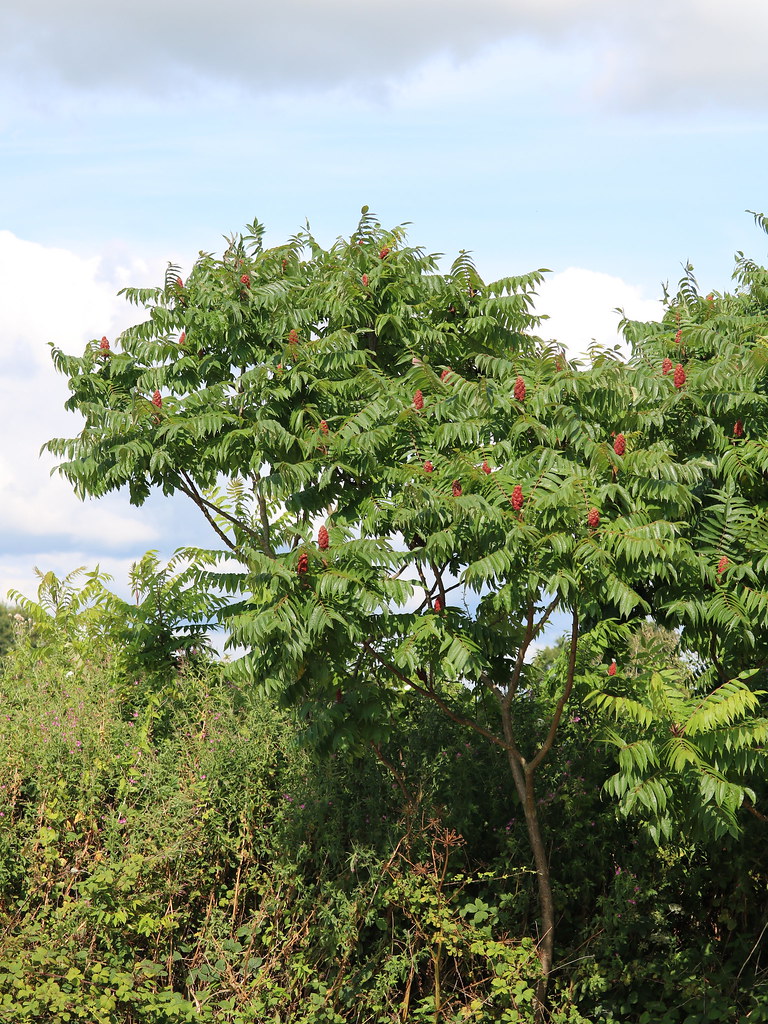
Rhus typhina, the Staghorn Sumac by Wildlife Terry is marked with CC0 1.0.
Common name: Oakleaf Hydrangea
Growing conditions: Partial shade to full shade
Soil types: Well-drained soils
Bloom time: Late spring to early summer
Native to the southeastern U.S., oakleaf hydrangea is one of the few hydrangeas that’s native and highly ornamental. It produces clusters of white flowers that fade to pink, then tan, providing beauty for months. The large leaves turn shades of burgundy and red in fall.
This shrub is a great option for borders, woodland edges, and shady corners. It supports local wildlife, offers winter interest with its exfoliating bark, and works well in a variety of conditions. It’s a favorite at local nurseries for its versatility and low-maintenance charm.

Oakleaf Hydrangea by Toby Garden
Why Plant Native in the Fall?
Fall is more than just a scenic time of year—it’s one of the best seasons for planting native trees, shrubs, and perennials. While spring is often thought of as planting season, fall offers key advantages that can set your plants up for long-term success.
Stronger Root Systems, Less Stress
Cool Temperatures = Healthier Plants
As air temperatures drop and soil temperatures remain warm, plants naturally shift energy from top growth into root development. This is especially important for native perennials and shrubs, which need a strong foundation to thrive in future growing seasons.
Planting in fall helps:
-
Reduce transplant shock due to cooler air temperatures
-
Encourage deeper root growth during the dormant season
-
Require less supplemental watering thanks to increased rainfall
-
Minimize pest and disease pressures common in the heat of summer
By the time early spring arrives, your fall-planted natives are already rooted and ready to grow, often outpacing plants added in spring.
How Late Can You Plant Native Plants in the Fall?
The general rule for fall planting is to get your native plants in the ground at least 4 to 6 weeks before the ground freezes. This gives them time to establish initial root systems before going dormant for the winter.
In most parts of the eastern United States, that means planting no later than mid to late October, though this can vary depending on your particular region and soil conditions. Native perennials and shrubs grown in containers are especially well-suited to fall planting, as they already have developed root systems and are ready to transplant.
If you’re planting native trees or larger shrubs, try to get them in the ground earlier in the fall season (especially in areas with early hard frosts or unpredictable weather). Always water new plants well at the time of planting, and consider adding a light mulch to help retain moisture and protect roots during temperature fluctuations.
When in doubt, ask your local nursery or garden center for the ideal fall planting window in your area, they’ll have the most accurate timing based on recent years’ frost dates and soil temperatures.
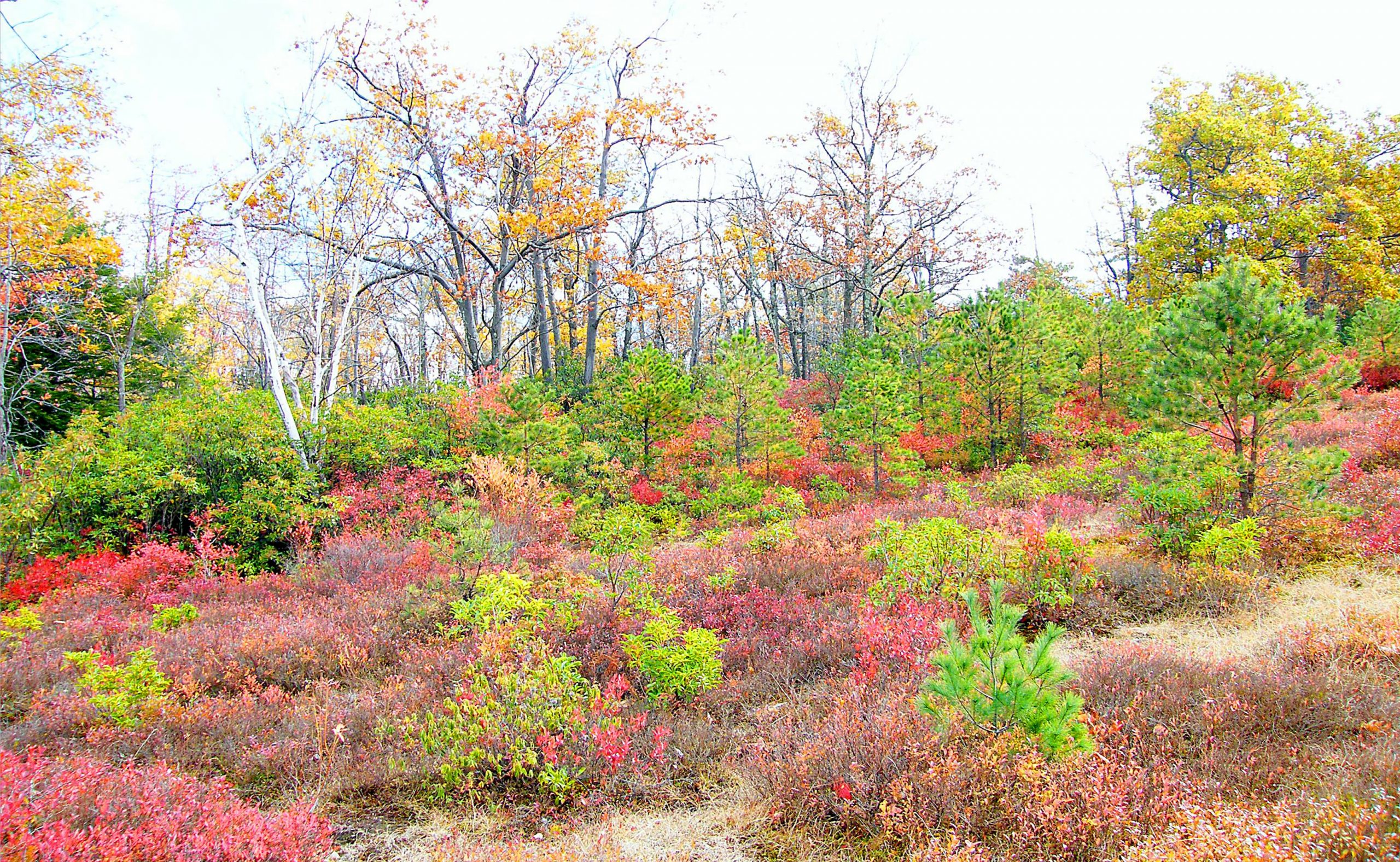
Build a Living Landscape—Not Just a Pretty One
Ecological Benefits of Planting Native Species
When you plant native species adapted to your region, you’re doing more than just adding seasonal color. You’re restoring vital wildlife habitats that support native insects, birds, amphibians, and mammals throughout the entire year.
Unlike exotic plants that often offer little to no ecological value, native plants provide food, shelter, and breeding grounds for wildlife. Many species are host plants, meaning they are essential to the life cycle of specific insects—such as monarch caterpillars on milkweed or swallowtail caterpillars on spicebush.
Some of the ecological benefits of planting native species include:
-
Providing nectar and pollen for native bees and bumble bees
-
Offering seed heads and berries as a food source for birds like cedar waxwings and black-capped chickadees
-
Supporting overwintering insects in leaf litter and stems
-
Encouraging biodiversity in backyard gardens and urban areas
Take Advantage of Fall Plant Sales
Find Regionally Appropriate Plants at Local Nurseries
Fall is also when many local garden centers and native plant nurseries host their annual native plant sales. This is an ideal time to stock up on new plants and choose species that are well-adapted to your particular region.
By sourcing from local nurseries instead of big-box stores, you avoid exotic plants and cultivars that may be invasive or harmful to local ecosystems. You’re more likely to find:
-
Native shrubs for partial shade or full sun
-
Native grasses and groundcovers for various soil types
-
Female plants that produce red fruits, benefiting bird species
-
Perennial plants with seasonal interest, like fall color or winter structure
Look for regionally native plants such as joe pye weed, obedient plant, or oakleaf hydrangeas (Hydrangea quercifolia) that thrive in the conditions specific to your yard.
Support Wildlife Through the Fall and Winter
Planning for Year-Round Habitat
When you plant in the fall, you’re also helping your local wildlife prepare for the colder months ahead. Many native trees and shrubs provide late-season berries and seeds, while native grasses and perennials offer protective cover and nesting materials.
By choosing plants that bloom in late summer or hold structure through the fall months, you support a wider range of species:
-
Staghorn sumac produces bright red berries for migrating birds
-
Witch hazel provides fragrant yellow blooms even in late fall
-
Native grasses offer shelter and overwintering habitat for insects and small animals
-
Oakleaf hydrangeas provide fall color and textured bark for winter interest
Leaf litter from these plants also plays a crucial role in supporting native insects. Many butterfly and moth species overwinter in the soil or on fallen leaves, making it important to “leave the leaves” in parts of your garden.
Final Thoughts
Supporting pollinators, attracting local wildlife, and reducing your environmental footprint doesn’t require a complete landscape overhaul. By simply adding a few native plants this fall, you can provide food sources for butterflies and birds, host plants for native insects, and beauty that lasts through the seasons.
Each plant on this list offers something unique. Whether it’s showy flowers, fragrant blooms, fall color, or winter interest. With careful selection from your local nursery and attention to the natural needs of your site, you can turn your yard into a haven for biodiversity.
So as the days get cooler and leaves begin to turn, take advantage of the great time fall offers for planting. Your local ecosystem – and the butterflies, bees, and birds it supports – will thank you.


