

The Best Vegetables to Grow in Pots and Planters – A Beginner’s Guide
The Best Vegetables to Grow in Pots and Planters – A Beginner’s Guide
Growing vegetables in pots and planters is one of the easiest ways to enjoy fresh food at home, even if you are short on space. Balconies, patios, porches, and sunny windows all become productive garden spots when you choose the right containers and the right crops. This guide walks you through the top vegetables that grow beautifully in containers along with simple tips and the best varieties to try.
This post contains affiliate links to some of our favorite products for growing veggies! We earn a small commission from purchases made through these links. Thank you SO much for your support!
Advantages of Growing Vegetables in Containers
Container gardening is a practical way to grow vegetables when space is limited. It offers clear advantages that make it an effective method for beginners and experienced gardeners.
-
Maximizes Small Spaces
Containers fit on balconies, patios, rooftops, and windowsills. Even a few square feet can support productive vegetable plants. -
Works Well for Urban Areas
City homes often lack usable ground soil. Containers provide an immediate growing space, turning hard surfaces into functional garden areas. -
Improves Plant Health and Yields
Containers give you full control over soil quality. This reduces problems with poor native soil, compaction, and drainage issues. Elevating plants off the ground lowers exposure to soil-borne pests and diseases. Healthy soil and lower pest pressure typically lead to better growth and higher yields.
Container gardening also supports sustainable gardening practices by reducing water waste, improving soil management, and allowing gardeners to grow food in locations where traditional garden beds are not possible.
Whether you have a small balcony or an urban rooftop, containers provide a simple and effective way to grow fresh vegetables at home.
The Best Vegetables to Grow in Containers
Growing vegetables in containers isn’t just a space-saver; it’s a way to bring the zest and flavor of fresh produce right to your doorstep. Among the most versatile vegetables for container gardening, tomatoes are a sure bet for beginners and seasoned gardeners alike.
1. Tomatoes
Why They Grow Well in Containers
Tomatoes love warm soil, consistent watering, and full sun, all of which are easy to manage in containers. Compact or determinate varieties stay tidy and productive in pots.
Tips for Growing in Containers
- Use a container that holds at least 5 gallons.
- Place in full sun for 6 to 8 hours per day.
- Add a cage or stake when planting.
- Water deeply and keep soil evenly moist.
- Use a rich potting mix with compost mixed in.
Best Varieties for Containers
- Tiny Tim – Very compact cherry tomato ideal for small pots. Order seeds!
- Roma – Determinate paste tomato with reliable yields. Our fave Roma seeds (especially for sauce)
- Sweet 100 Cherry – Heavy producer of small, sweet tomatoes. Get ready for a LOT of tomatoes with these seeds!

2. Peppers
Why They Grow Well in Containers
Peppers stay naturally compact and perform well in warm container soil. They are simple to maintain and produce well in small spaces.
Tips for Growing in Containers
- Use a pot 12 to 14 inches deep.
- Keep soil moist but not soggy.
- Place in full sun.
- Add slow release fertilizer at planting.
- Support taller varieties as they fruit.
Best Varieties for Containers
- Mini Bell – Small, sweet peppers on compact plants. Order your adorable tiny pepper seeds.
- Jalapeno Early – Fast growing chili with steady yields. Find seeds here!
- Banana Pepper – Mild flavor and great for slicing.

3. Lettuce and Salad Greens
3. Lettuce and Salad Greens
Why They Grow Well in Containers
Lettuce has shallow roots and grows quickly. It thrives in cool soil and can be harvested repeatedly for fresh salads.
Tips for Growing in Containers
- Use a wide, shallow pot.
- Provide partial shade if temperatures are hot.
- Water often to keep soil slightly moist.
- Harvest outer leaves as needed.
- Sow new seeds every few weeks for continuous harvests.
Best Varieties for Containers
- Black Seeded Simpson – Fast growing leaf lettuce.
- Mesclun Mix – Blend of tender baby greens.
- Buttercrunch – Soft, sweet leaves that resist heat.
- Try Them All – A good approach to growing your own greens is to grow a variety at once. This variety seed pack by Home Grown includes 4 of our favorites for container gardens!

4. Radishes
Why They Grow Well in Containers
Radishes grow quickly and need very little space. They mature in just a few weeks, making them perfect for beginners.
Tips for Growing in Containers
- Sow seeds directly into the pot.
- Use a container at least 6 inches deep.
- Keep soil consistently moist.
- Thin seedlings to avoid crowding.
- Harvest as soon as roots size up.
Best Varieties for Containers
- Cherry Belle – Classic round radish with crisp texture. Our personal favorite, order seeds here!
- French Breakfast – Mild red and white radish with an oblong shape. Ideal for slicing – order yours here.
- Easter Egg Mix – Colorful blend of round radishes.

5. Carrots
Why They Grow Well in Containers
Short or round carrot varieties grow very well in pots because they develop clean, uniform roots in loose container soil.
Tips for Growing in Containers
- Choose a deep pot for longer varieties.
- Keep soil moist for even growth.
- Thin seedlings early.
- Use loose potting mix with no stones.
- Harvest when roots reach full size.
Best Varieties for Containers
- Short n Sweet – Compact orange root with great flavor. Burpee carries this classic, compact seed variety.
- Thumbelina – Small, round carrot ideal for shallow pots. Adorable name and size, our top pick for seeds!
- Parisian – Small globe shaped carrot with tender texture.

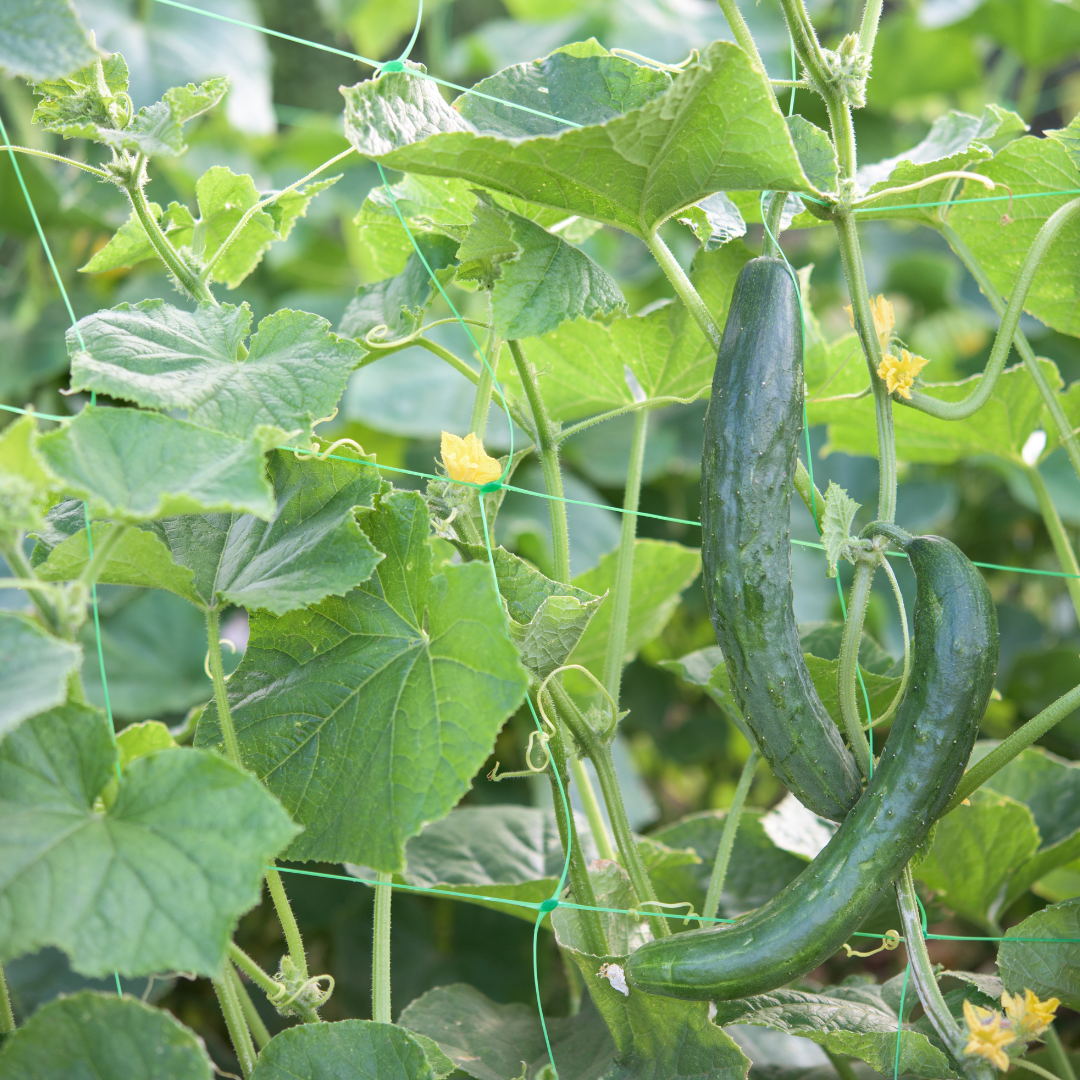
6. Cucumbers
Why They Grow Well in Containers
Bush or dwarf cucumber varieties stay compact and climb well on small trellises. They produce crisp fruit even in tight spaces.
Tips for Growing in Containers
- Use a trellis to save space.
- Keep soil evenly moist.
- Place in full sun.
- Fertilize every 3 to 4 weeks.
- Pick fruit often to encourage new growth.
Best Varieties for Containers
- Patio Snacker – Compact plant with high yields.
- Bush Pickle – Perfect size for pickling and small spaces. Definitely a popular choice, order seeds here.
- Spacemaster – Short vines that thrive in containers.
7. Green Beans
Why They Grow Well in Containers
Bush beans grow neatly without needing tall supports. They sprout quickly and produce lots of tender pods.
Tips for Growing in Containers
- Choose a pot at least 12 inches deep.
- Grow bush varieties for best results.
- Water consistently during flowering.
- Place in full sun.
- Harvest often for higher yields.
Best Varieties for Containers
- Provider – Fast growing and disease resistant.
- Royal Burgundy – As beautiful as they are delicious! See for yourself here!
- Tendergreen – Smooth, stringless pods.
- Tri-Color Blend – Add variety to your container garden with this tri-color variety pack of seeds.

8. Spinach
Why They Grow Well in Containers
Spinach grows well in cool temperatures and shallow soil. It matures quickly and can be harvested leaf by leaf.
Tips for Growing in Containers
- Use a wide, shallow pot.
- Keep soil cool and moist.
- Provide partial shade in warm climates.
- Harvest outer leaves first.
- Plant again every few weeks.
Best Varieties for Containers
- Bloomsdale Long Standing – Tender, crinkled leaves with sweet flavor. Our top pick, order bloomsdale seeds here.
- Baby Leaf Spinach – Fast growing small leaves.
- Space Spinach – Smooth leaves and heat tolerant.

9. Zucchini
Why They Grow Well in Containers
Compact zucchini varieties produce full sized fruit while staying much smaller than traditional sprawling plants.
Tips for Growing in Containers
- Use a large pot, at least 15 gallons.
- Keep soil evenly moist.
- Place in full sun.
- Fertilize regularly.
- Harvest often for best flavor.
Best Varieties for Containers
- Spacemiser – Compact plant with full sized zucchinis.
- Bush Baby – Small, tidy plant with tender fruit. If you want tender and versatile, this is the variety!
- Round – Dark green zucchini in a round shape. Super cute and unique! This is our top pick.

10. Herbs (Basil, Parsley, etc.)
Why They Grow Well in Containers
Herbs stay compact and thrive in controlled soil conditions. They are perfect for small planters and indoor windowsills.
Tips for Growing in Containers
- Use pots at least 6 inches deep.
- Place basil in full sun and parsley in partial sun.
- Do not overwater.
- Pinch back frequently for bushier growth.
- Harvest often to promote new leaves.
Best Varieties for Containers
- Genovese Basil – Classic Italian basil with large leaves.
- Flat Leaf Parsley – Strong flavor and upright growth.
- Thyme English – Small, aromatic leaves that thrive in pots.
- Grow Them All! – Pretty much any herb is a great choice for container gardens. We love this herb combo pack from Sweet Yards!

11. Scallions and Green Onions
Why They Grow Well in Containers
Scallions have shallow roots and grow quickly. They tolerate a wide range of light conditions and are easy to harvest continuously.
Tips for Growing in Containers
- Use a pot at least 6 inches deep.
- Keep soil moist.
- Provide sun or partial shade.
- Trim tops as needed.
- Plant new seeds every few weeks.
Best Varieties for Containers
- Evergreen Hardy White – Mild flavor and strong regrowth, our top pick. Order seeds here!
- Tokyo Long White – Tender white stalks and fast growth.
- Ishikura – Long, slender green onions.

12. Beets
Why They Grow Well in Containers
Beets thrive in loose container soil, which helps them form smooth, round roots. They mature quickly and offer both edible roots and greens.
Tips for Growing in Containers
- Use a pot 10 to 12 inches deep.
- Keep soil moist.
- Thin seedlings early.
- Provide full to partial sun.
- Harvest roots and greens as needed.
Best Varieties for Containers
- Detroit Dark Red – Classic beet with deep color. A popular pick (especially for Michiganders!)
- Golden Beet – Mild flavor and golden flesh. A great option to pair with the classic red skin varieties. Order seeds here.
- Cylindra – Long, smooth roots for easy slicing.

13. Swiss Chard
Why They Grow Well in Containers
Swiss chard is durable, colorful, and tolerant of various light conditions. It continues producing fresh leaves all season.
Tips for Growing in Containers
- Use a pot 10 to 12 inches deep.
- Provide full or partial sun.
- Harvest outer leaves regularly.
- Keep soil moist.
- Add compost throughout the season.
Best Varieties for Containers
- Bright Lights – Multicolored stems and tender leaves. Our top pick just because it’s pretty! (check it out for yourself)
- Rainbow Mix – Blend of vibrant chard varieties.
- Fordhook Giant – Large leaves with mild flavor. Order here!

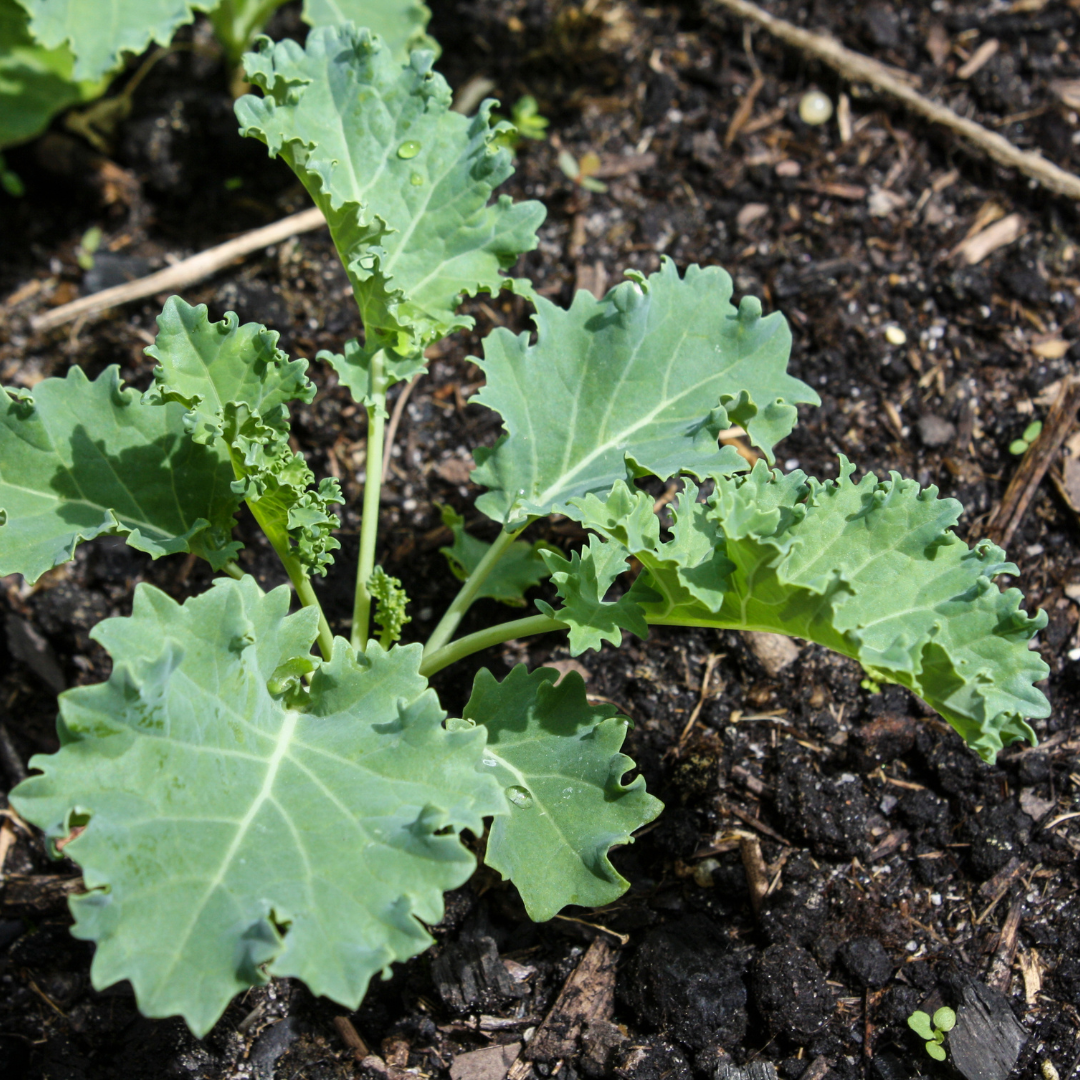
14. Kale
Why They Grow Well in Containers
Kale grows well in cool weather and tolerates partial shade. It offers steady harvests of nutrient rich leaves.
Tips for Growing in Containers
- Use a pot at least 12 inches deep.
- Water consistently.
- Provide full sun or partial shade.
- Harvest outer leaves first.
- Replant in late summer for a fall crop.
Best Varieties for Containers
- Tuscan (Lacinato) – Dark, smooth leaves with sweet flavor.
- Curly Leaf – Ruffled leaves and strong texture.
- Red Russian – Tender leaves with purple veins.
- Plant Them All! – This is our favorite variety pack for kale seeds, you can try them all!
15. Strawberries
Why They Grow Well in Containers
Strawberries do very well in shallow containers hanging baskets because they have small root systems and produce fruit close to the base of the plant.
Tips for Growing in Containers
- Use a wide, shallow pot or hanging basket.
- Place in full sun.
- Keep soil evenly moist.
- Remove runners if you want larger berries.
- Feed lightly throughout the season.
Best Varieties for Containers
- Albion – Large, sweet berries and long harvest season.
- Seascape – Heavy producer with excellent flavor. Plant these seeds if you want a LOT of berries!
- Tristar – Ever bearing variety with small sweet fruit.

Choosing the Right Containers for Vegetable Gardening
When it comes to choosing containers for vegetable gardening, there are a few factors to consider. It’s not just about how they look; you also need to think about the needs of your plants. One important consideration is the depth of the container, as different vegetables have different root depths.
Matching Container Size to Root Depth
To give your vegetables the best chance of thriving, here’s a general guideline for matching container size to root depth:
- Shallow-rooted plants like salad greens or herbs can do well in smaller pots.
- Deep-rooted vegetables such as tomatoes or peppers require larger containers to accommodate their extensive root systems.
Container Materials: Pros and Cons
There are various materials available for vegetable garden containers, each with its own advantages and disadvantages. Here are some popular options:
- Plastic: Lightweight and affordable, plastic containers are easy to move around and retain moisture well. However, they can become brittle over time and may not be the most environmentally friendly choice.
- Ceramic: If aesthetics are important to you, ceramic pots can be an attractive option. They tend to be heavier than other materials, making them less likely to tip over. On the downside, they are breakable and often more expensive.
- Wood: For a natural look, wood containers can be a great choice. They also provide good insulation for the soil. However, keep in mind that untreated wood is prone to rotting, so it’s essential to use treated wood or opt for rot-resistant varieties like cedar.
Remember to consider factors such as durability, cost, and overall suitability for your specific gardening needs when deciding on the container material.
Innovative Container Options
If you’re looking for something beyond traditional pots, here are some innovative container options that can enhance your vegetable gardening experience:
- Self-watering planters: Ideal for those who struggle with regular watering or frequently travel, self-watering planters feature a built-in reservoir that keeps the soil consistently moist. This can help prevent under or overwatering, providing a more stable environment for your plants.
- Fabric pots: Designed for optimal aeration and drainage, fabric pots promote healthier root growth. The porous fabric allows excess water to drain away, preventing issues like root rot. Additionally, roots exposed to air at the container’s edges undergo “air-pruning,” which stimulates the growth of new feeder roots and prevents them from circling around the pot.
- Vertical gardens: Perfect for maximizing space in small gardens or balconies, vertical garden systems utilize vertical wall space to grow plants vertically. They often feature multiple tiers or pockets where you can plant various vegetables or herbs. Not only do they save space, but they can also create an eye-catching display.
Remember that while these innovative containers offer unique benefits, it’s still crucial to consider the specific needs of your vegetables and provide them with appropriate care.
By considering the root depth requirements of your vegetables and selecting the right container accordingly, you’ll be taking an important step towards successful vegetable gardening. With the right container in place, you can create an environment where your plants can thrive and yield abundant harvests.
Selecting the Best Type of Soil for Growing Vegetables in Containers
The right soil is your secret ingredient for a bountiful container garden. Think of it as the cozy bed where your vegetable roots will stretch out and snuggle in. Organic potting mix is not just dirt—it’s a blend of compost, pine bark, perlite, and other goodies that keep your veggies happy.
What’s in a Good Organic Potting Mix?
A stellar organic potting mix does two things super well:
- Feeds Your Plants: It’s chock-full of nutrients. This is like a gourmet meal for your plants.
- Drains Like a Dream: No soggy roots here! Proper drainage means strong roots and healthy plants.
Boosting Plant Health and Productivity
To keep the feast going all season, consider adding granular organic fertilizer to your soil mixtures. This slow-release goodness ensures your veggies have a steady stream of nutrients.
- Continuous Supply: Granular fertilizers break down over time, giving your plants a consistent nutrient boost.
- Root Zone Targeting: Mixed into the soil, these fertilizers enrich the root zone directly, where plants need it most.
- Our Top Pick: We strongly recommend using Espoma’s Garden Tone fertilizer for container grown veggies!
For those who love to DIY or customize their garden’s growing medium, learning how to make your own garden soil can be incredibly fulfilling. Tailor your soil to what you’re growing, and watch your veggies thrive.
Remember, great gardens start from the ground up—literally. With the right organic potting mix and a bit of granular organic fertilizer, you’re paving the way to an abundant harvest right on your porch or patio.
FAQs About Growing Vegetables in Containers
Growing vegetables in containers can bring up a host of questions for beginners, especially when it comes to ensuring your plants thrive in an urban setting. Let’s tackle some common queries:
Can I use regular garden soil in containers?
Regular garden soil isn’t ideal for container gardening; it often lacks proper drainage and can introduce pests and diseases to your pots. Instead, opt for a high-quality organic potting mix, which is designed to provide the drainage and aeration that container plants need to flourish.
How often should I water my container plants?
Container plants typically require more frequent watering than their in-ground counterparts due to limited soil volume and higher exposure to air. The rule of thumb is to water once the top inch of soil feels dry. Keep in mind that environmental factors like temperature, wind, and humidity also affect watering frequency. Adjusting watering and feeding in container gardens is crucial: during hot or windy days, you might need to water daily, whereas on cooler or cloudy days, less frequent watering may be required.
Remember, tips for urban gardening like these are just the beginning. Each plant has its own needs, and paying attention to them will guide you to success with your container vegetable garden.
Get Started On Your Container Vegetable Garden
Dive into the world of container gardening and discover how fulfilling it is to grow your own food, even in the coziest of spaces. The best vegetables to grow in containers, which we’ve explored, are not only space-savers but also a visual treat and a step towards sustainability. Whether you’re perched in an urban high-rise or have a small patio, the right containers, soil, and these top vegetable picks can transform your area into a green sanctuary.
Here are some top vegetable picks for your container garden:
- Tomatoes: Savor the sweetness of homegrown cherry or Roma varieties.
- Peppers: Add a pop of color and spice with bell peppers or jalapenos.
- Lettuce and Salad Greens: Enjoy fresh salads with leaf lettuce or mesclun mix.
- Radishes: Relish the quick harvest of French Breakfast or Cherry Belle radishes.
- Carrots: Crunch on the sweetness of Short ‘n Sweet or Thumbelina carrots.
- Cucumbers: Refresh with compact cucumber varieties perfect for snacking.
With this guide, you’re well on your way to harvesting your very own veggies. Embrace the joy of plucking ripe tomatoes or crisp lettuce leaves straight from your balcony or windowsill garden. Remember, every small space holds potential — nurture it with seeds today for a plentiful yield tomorrow. Happy gardening!


