

How to Grow Woodland Phlox (Phlox divaricata)
This post may contain affiliate links. If you make a purchase through them, we may earn a small commission at no extra cost to you.
How to Grow Woodland Phlox (Phlox divaricata)
How to Grow Woodland Phlox (Phlox divaricata)
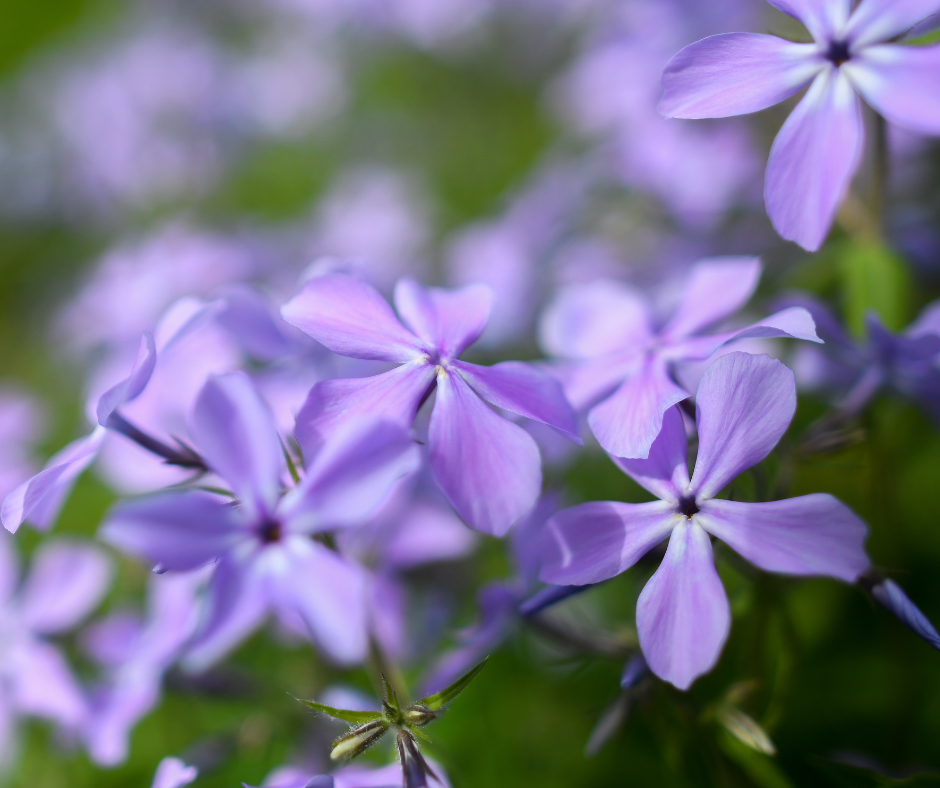
Woodland phlox (Phlox divaricata), also known by its common names wild blue phlox, wild sweet William, and Louisiana phlox, is a beautiful native wildflower found across rich deciduous woodlands of eastern North America. Renowned for its blue flowers and delicate petal-like lobes, this native plant thrives in shade gardens and is a favorite among landscape designers for its versatility and low maintenance needs. Here’s a comprehensive guide to growing and enjoying woodland phlox, whether you’re starting from seed, plugs, or stem cuttings.
How to Grow Woodland Phlox from Seed
Growing woodland phlox from seed is a rewarding process but requires patience, as it takes a considerable amount of time for new plants to mature.
- When to Start:
Sow seeds in late fall or early spring for the best germination. This native wildflower benefits from cold stratification, mimicking the dormancy mechanism it experiences in its native habitat during winter.
Pro Tip: You can artificially cold stratify native seeds indoors! Check out the video below for easy instructions on this process.
- Seed Preparation:
- Soak seeds in water overnight before planting to improve germination rates.
- Scatter seeds on the surface of well-drained soil rich in organic matter. Lightly press them into the soil but don’t cover them completely, as they require light to germinate.
- Ideal Conditions:
- Place seed trays in a location with light shade or morning sun.
- Keep the soil consistently moist but not waterlogged. Germination may take several weeks, depending on the time of year and soil conditions.
- Transplanting:
Once seedlings have developed leafy shoots, transplant them to their permanent location in part shade or full shade.
How to Grow Woodland Phlox from Plugs or Seedlings
Starting with plugs or seedlings from garden centers or an independent garden center is the best bet for faster results.
-
When to Plant:
- Spring planting in late April to early summer ensures optimal establishment.
- Fall planting is also effective, as the cooler weather allows the roots to develop before winter dormancy.
-
Planting Steps:
- Dig a hole twice as wide as the root ball but not deeper than the ultimate height of the mature plants.
- Backfill with a mix of rich soil, compost, and native soil to provide nutrients.
- Water thoroughly and mulch with light summer mulch to retain soil moisture and regulate temperature.
-
Care Tips:
- Ensure good drainage to prevent root rot.
- Space plants 12-18 inches apart to allow good air circulation and reduce the risk of powdery mildew.

Ideal Growing Conditions
Creating the right environment ensures woodland phlox thrives and forms large colonies over time.
- Sunlight: Woodland phlox prefers partial shade to full shade. In mild climates, it can tolerate part sun with morning sun and afternoon shade.
- Soil: The ideal soil is a clay loam with plenty of organic matter. Ensure the soil remains moist but well-drained.
- Moisture: Keep soil consistently damp during establishment. Mature plants tolerate brief dry spells but prefer regular watering during hot weather.
- Pests and Diseases: Watch for spider mites and powdery mildew. Promote good air circulation by spacing plants and keeping foliage dry.
Where to Plant Woodland Phlox
The placement of woodland phlox in your garden is crucial for its success. Its natural affinity for rich deciduous woodlands makes it ideal for shaded or partially shaded areas.
-
Best Locations:
- Shade Gardens: Plant under deciduous trees or evergreen trees for light shade or bright shade.
- Woodland Paths: Line pathways with wild phlox to create a natural, enchanting look.
- Rock Gardens: Use in areas with well-drained soil alongside a variety of native trees for a dynamic display.
- Stream Banks: Perfect for areas with slightly moist soil, phlox plants thrive along water features.
-
Companion Plants:
Pair woodland phlox flowers with understory plants like ferns or butterfly nectar plants such as swallowtail butterflies’ favorites for added biodiversity.
Design Tips for Gardening with Woodland Phlox
Woodland phlox offers showy rounded flower cymes in shades of lavender, blue, and sometimes white flowers, making it a standout in natural and designed landscapes.
- Cottage Gardens: Use as a border plant in cottage gardens to create a soft, romantic feel. Its loose clusters of wild blue phlox add texture and color.
- Wild Gardens: Incorporate into wild gardens with native grasses and groundcovers for a natural look.
- Native Plant Gardens: Highlight its role as a native wildflower by planting alongside other native plants like tiger swallowtails’ caterpillar host plants.
- Border Fronts: Plant at the edge of borders or along woodland paths where their early blooms will create an eye-catching display in early spring through late spring.
- Ground Cover: Use in shady areas under deciduous trees to form a lush carpet of green leaves and wild blue phlox.
Additional Notes
- Deer Resistance: While woodland phlox is considered deer resistant, occasional browsing may occur.
- Propagation: For faster spread, propagate using stem tips or leafy stems.
- Maintenance Needs: Mulch lightly in summer, and cut back infertile shoots in late fall to tidy up the area and prevent disease.
- Varieties to Try: The cultivar Blue Moon flourishes in rich soil with light shade, offering exceptional blooms and a more compact habit.
By planting woodland phlox, you’re not only adding beauty to your garden but also creating a haven for beneficial insects, sphinx moths, and swallowtail butterflies. Whether you’re lining a shady path, enhancing a rock garden, or designing a native plant wildlife sanctuary, Phlox divaricata is a native plant garden essential.


