Shade Tolerant Native Wildflowers for Your Garden
Shade Tolerant Native Wildflowers for Your Garden
Gardening in shady areas can be both a challenge and an opportunity to discover the beauty of native wildflowers that thrive in less direct sunlight. North America is home to a wide variety of shade-tolerant wildflowers that not only enhance the aesthetic of your garden but also support local wildlife and biodiversity. These plants can transform areas with partial shade, full shade, and even deep shade into lush, vibrant landscapes.
In this article, we will explore some of the most attractive and resilient shade-tolerant native wildflowers, along with tips for planting and maintaining a thriving shade garden. These plants are ideally suited for woodland gardens, shady spots under tree canopies, or rock gardens that receive limited hours of sun each day. Let’s dive into the world of native wildflowers and help you create a successful and beautiful shady garden.
Understanding Light Requirements in a Shade Garden
When planning a shade garden, it’s crucial to understand how much sunlight your planting area receives. Here’s a quick breakdown of light conditions:
- Full shade: Areas that receive less than 2 hours of direct sunlight per day. Ideal for plants that naturally grow on the forest floor.
- Partial shade/part shade: Spots that receive 3 to 6 hours of indirect or filtered sunlight. Many woodland species thrive in these conditions.
- Deep shade: Locations with almost no direct sunlight, usually under dense tree canopies. Only the most shade-adapted plants can survive here.
Even in these shady areas, with the right plant species and care, you can achieve a garden filled with color, texture, and seasonal interest.

Mulched Flowerbed with Organic Wood Chips
Top Shade-Tolerant Native Wildflowers for Your Garden
Virginia Bluebells (Mertensia virginica)
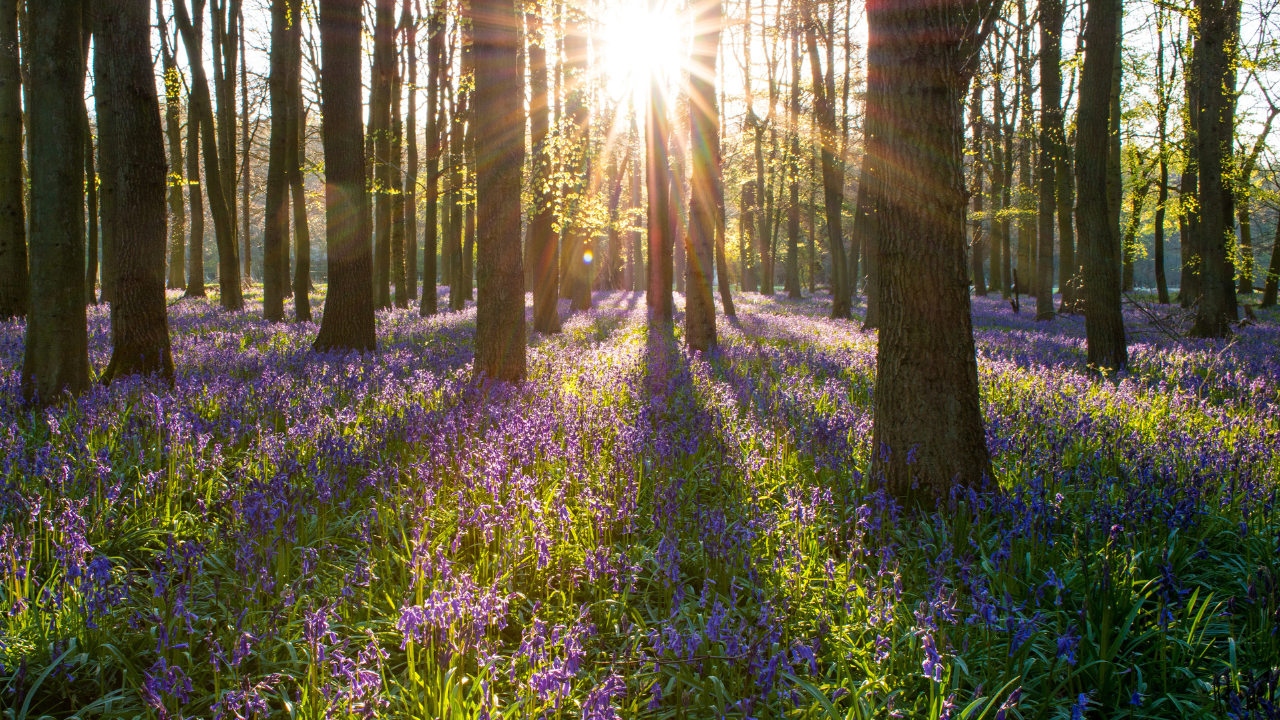
Virginia Bluebells are one of the most beloved native wildflowers for shaded areas. These early spring bloomers produce stunning clusters of blue flowers that have a delicate, bell-shaped appearance. They thrive in part shade to full shade and prefer moist soil rich in organic matter. Plant them in woodland gardens or under a tree canopy, where they can receive dappled light and bloom just as the forest floor awakens from winter.
- Best time to plant: Early fall
- Ideal conditions: Moist, well-drained soils in rich soil
- Height: 1-2 feet
- Bloom time: Early spring

Wild Columbine (Aquilegia canadensis)
The wild columbine is a showstopper with its unique flowers that feature red and yellow bell-shaped blooms. This native woodland plant thrives in part shade to light shade and prefers well-drained soils. It is a great choice for woodland gardens, where its airy blooms sway in the breeze, attracting hummingbirds and pollinators. The Aquilegia canadensis does best in areas with dappled sunlight and will reseed itself, providing blooms for the following year.
- Best time to plant: Late fall or early spring
- Ideal conditions: Moist soil, well-drained soils
- Height: 1-2 feet
- Bloom time: Late spring to early summer

Echinacea purpurea (Purple Coneflower)
Although the purple coneflower is more commonly known for thriving in full sun, it can also perform well in partial sun or partial shade in the right conditions. This hardy perennial produces striking purple flowers with prominent seed cones, making it a favorite for pollinators and butterfly gardens. Echinacea purpurea is tolerant of a range of soil types and can withstand occasional periods of drought once established.
- Best time to plant: Spring
- Ideal conditions: Well-drained soils, fertile soil
- Height: 2-4 feet
- Bloom time: Late summer to fall

False Solomon’s Seal (Maianthemum racemosum)
For gardeners with full shade or deep shade areas, false Solomon’s seal is an excellent addition. It features graceful arching stems with clusters of tiny, white flowers that appear in late spring to early summer. This perennial thrives in moist soil and spreads by underground rhizomes, making it a good choice for ground cover in shady locations.
- Best time to plant: Spring
- Ideal conditions: Moist, rich soil with good drainage
- Height: 1-3 feet
- Bloom time: Late spring to early summer

Wild Ginger (Asarum canadense)
Wild ginger is a low-growing perennial with striking heart-shaped leaves that form a dense ground cover in shady spots. Its small, inconspicuous purple flowers bloom near the soil surface in early spring. This plant thrives in deep shade and is ideal for wooded areas or the forest floor, where its ability to spread via underground rhizomes helps prevent soil erosion.
- Best time to plant: Fall
- Ideal conditions: Rich soil, moist soil
- Height: 6-12 inches
- Bloom time: Early spring

Tips for Planting and Maintaining a Shade Garden
Designing a shade garden can be both rewarding and challenging, as it requires careful consideration of light, soil, and plant species. To ensure your garden thrives, it’s essential to understand the specific needs of your plants and how to optimize the growing environment. Below, we expand on the key steps for creating a lush and successful shade garden using native wildflowers that are perfectly suited to North American landscapes.
1. Evaluate Your Light Conditions
The first step in creating a thriving shade garden is to assess how much light the planting area receives. Understanding the light conditions will help you choose the right plants and ensure they thrive.
- Full shade: These areas receive less than two hours of direct sunlight per day. The light may be dappled or filtered through tree canopies, typical of forest floors. Full shade is ideal for plants like wild ginger or false Solomon’s seal, which have adapted to low-light environments.
- Partial shade/part shade: Gardens that receive between three and six hours of sunlight (often in the early morning or late afternoon) are considered to be in partial shade. Many woodland wildflowers, such as Virginia bluebells and wild columbine, thrive in these conditions.
- Deep shade: These areas are almost entirely shaded throughout the day, typically under dense tree canopies. Only the most shade-tolerant plants, like wild ginger, will flourish here.
It’s important to observe how the light changes throughout the day and across seasons, as trees and structures may cast shadows differently at various times of the year. Documenting whether an area gets direct sunlight or light shade will help you choose the appropriate plant species and arrange them for the best results.
2. Improve Soil Quality
Shade-tolerant wildflowers often thrive in well-drained soils that are rich in organic matter, which is characteristic of woodland environments. Improving your soil before planting is crucial for supporting healthy root growth and ensuring your plants can access the nutrients they need.
- Organic matter: Most shade-loving plants, such as Echinacea purpurea (purple coneflower) and false Solomon’s seal, prefer soils rich in decomposing plant materials. This mimics the forest floor where fallen leaves and organic debris naturally decompose to create a fertile environment. You can enhance your soil by adding compost, leaf mold, or peat moss.
- Well-drained soils: While moist soil is beneficial, it’s important to avoid waterlogged conditions that can lead to root rot. Amend heavy or compacted soil with organic materials like compost or sand to improve good drainage. For gardens in areas with dry shade, you can improve moisture retention by adding compost or using mulch (see next tip).
Additionally, test your soil’s pH levels and amend if necessary. Many native wildflowers, especially woodland species, prefer slightly acidic soils, which can be improved by adding pine needles or leaf mold.
3. Mulch for Moisture Retention
Mulching is an essential practice for maintaining moisture in shady areas. While shade gardens are less prone to rapid evaporation, the soil can still dry out during dry periods, especially in the heat of summer. Mulching helps to:
- Retain moisture: A thick layer of mulch will help the soil stay cool and moist, reducing the need for frequent watering. Organic mulches, like shredded leaves, bark, or pine needles, slowly break down, adding organic matter back into the soil.
- Suppress weeds: Weeds can compete with your native plants for water and nutrients. Mulch helps block sunlight from reaching weed seeds, minimizing their growth.
- Protect roots: Mulch acts as insulation for plant roots, protecting them from temperature fluctuations, especially in areas where full shade might turn into part shade during different seasons.
Make sure to keep mulch a few inches away from plant stems to prevent rot and provide adequate airflow around the base of your perennial wildflowers and woodland plants.
4. Choose Native Species
When it comes to creating a successful shade garden, choosing native wildflowers is essential. Native plants are well-adapted to the local climate and soil type, making them more resilient to pests, diseases, and environmental stressors. In addition, they provide essential habitat and food sources for local wildlife, including pollinators like bees, butterflies, and birds.
- Benefits of native plants: Native plants, such as Virginia bluebells and wild columbine, have evolved to thrive in local ecosystems. They are better equipped to handle periods of dry shade, varying soil conditions, and competition with other native species. In contrast, non-native species may struggle to adapt and require more maintenance.
- Wildflower seeds: When starting your garden from seeds, opt for native wildflower seed mixes that are suited for shady spots. These seed mixes typically include a variety of perennial shade plants and annual wildflowers that will bloom throughout the growing season, providing long-lasting color and interest.
Choosing native plants also supports biodiversity, encourages local pollinators, and helps restore natural habitats in shady areas and wooded areas.
5. Plant in Clusters
When designing a shade garden, aim to plant in clusters of three or more of the same species. This not only creates a more natural look, but it also has practical benefits:
- Pollinator attraction: Clustering plants together makes it easier for pollinators like bees and butterflies to find and feed from multiple flowers of the same species in one visit. For example, planting a cluster of purple coneflower or wild columbine will make your garden more attractive to pollinators.
- Easier maintenance: Grouping plants with similar needs together simplifies garden maintenance. Plants that require the same moist soil, light shade, and well-drained soils will thrive when grown in proximity.
- Visual impact: Clustering plants helps create a cohesive, lush garden. This is particularly important in shady gardens, where flowers might be less prominent. Grouping plants like Virginia bluebells or false Solomon’s seal will create a stunning visual display in early spring or early summer.
Consider staggering bloom times by planting clusters of plants with different flowering periods, such as late spring bloomers like wild columbine and early summer bloomers like Echinacea purpurea. This ensures that your garden will remain colorful and engaging throughout the growing season.
6. Consider Ground Cover Plants
Shade-tolerant ground cover plants can help fill in bare areas, reduce soil erosion, and provide a lush, green carpet for your garden. Ground cover plants like wild ginger and false Solomon’s seal not only spread via underground rhizomes, helping to stabilize the soil, but they also provide visual interest with their attractive foliage.
- Low-growing species: Ground cover plants are perfect for shady spots where larger plants might struggle to grow. Their heart-shaped leaves and compact size make them ideal for filling in the forest floor or along paths in woodland gardens.
- Soil protection: By covering the soil, these plants help retain moisture and prevent weeds from taking over. Wild ginger is particularly effective in preventing erosion in shady areas with problematic soil.
7. Water Wisely
Even though shady gardens require less water than those in full sun, it’s still important to provide consistent moisture, especially during dry periods. Water your garden deeply but infrequently to encourage deep root growth. Keep an eye on your soil moisture levels, particularly in the heat of summer or during times of drought, as shade-tolerant plants may still need supplemental watering.
A soaker hose or drip irrigation system is ideal for shady areas, as it delivers water directly to the root zone, minimizing evaporation and reducing the risk of fungal diseases on foliage.
8. Use Plant Tags and Track Growth
It’s easy to forget which plants are where, especially when dealing with smaller or slower-growing species. Consider using plant tags to label your wildflowers and track their growth over time. This will help you remember their light and moisture requirements and monitor their progress as they establish themselves in your garden.
By following these tips and selecting the right shade-tolerant wildflowers for your garden’s specific conditions, you’ll be well on your way to creating a lush, vibrant, and low-maintenance shady garden that provides beauty and ecological benefits for years to come.

Ready to design your own beautiful shade garden with native wildflowers? Our online course, Wild Beauty: Native Landscape Design for Beginners, is the perfect place to start! Learn how to evaluate your site, select the best native plants for your garden, and create a stunning native landscape that thrives in shady areas. Enroll today and receive free shipping on your first order of wildflower seeds or plant tags! Sign up now to begin your journey into the world of native plants and sustainable gardening.