Plants That Do Well in Partial Shade: A Guide to Native Midwest Varieties
Plants That Do Well in Partial Shade: A Guide to Native Midwest Varieties
When it comes to gardening, many people associate vibrant growth with full sun and bright spaces, but the truth is that there are countless beautiful plants that thrive in partial shade. Shady areas provide the perfect opportunity to experiment with shade-loving plants, offering a serene and lush landscape that can be just as stunning as any sun-drenched garden. Whether you’re dealing with morning sun, deep shade, or somewhere in between, a variety of native North American plants can transform your shady spots into thriving, low-maintenance spaces.
In this article, we’ll explore a wide range of native plants — from ferns to ground covers, shrubs, and blooming flowers — that perform beautifully in part shade. These plants are ideal for shade gardens, woodland plantings, and shady locations where they can create visual interest, attract pollinators, and thrive with minimal intervention.
This article contains affiliate links to some of our favorite plant suppliers. We earn a small commission from purchases made through these links, thank you for your support!

Understanding Partial Shade
Before diving into the specific plants, it’s important to understand what partial shade really means. Partial shade refers to an area that receives between three and six hours of sunlight per day, often in the early morning or late afternoon. It can also refer to a garden that gets filtered sunlight through trees or structures, or a shadier spot that still gets some hours of direct sunlight.
It’s important to note that plants grown in part shade need to be suited to the conditions of low light, while still tolerating some sunlight. Choosing the right plant for these conditions will ensure that your garden thrives.
Best Partial Shade Plants In Each Category
Whether you’re landscaping a new backyard, or just replacing a few plants in your current landscape – these part sun part shade native plants will add a touch of texture and color to your yard!
Ferns for Partial Shade Gardens
Ferns are a classic choice for shady gardens, thanks to their fabulous foliage and ability to thrive in light shade or deep shade. Native to North America, many ferns are low-maintenance and long-lasting perennials.
- Christmas Fern (Polystichum acrostichoides): A native evergreen fern, the Christmas fern is perfect for shady spots with well-drained soil. Its large leaves provide structure and interest in shady locations, and it can tolerate dry shade once established.
- Maidenhair Fern (Adiantum pedatum): With its delicate, fan-like fronds, the Maidenhair Fern adds grace to any shade garden. This fern prefers moist soil and performs well in shady areas under deciduous trees.

Shrubs for Shady Landscapes
If you’re looking to add height and structure to your shady landscape, native shrubs are an excellent choice. Many shade-loving shrubs produce colorful flowers or have attractive foliage that can brighten up a shady garden.
- Witch Hazel (Hamamelis virginiana): This deciduous shrub produces fragrant, yellow flowers in late fall or early winter, making it a standout in shady areas. Witch hazel prefers moist, well-drained soil and tolerates partial shade beautifully. Click here to view more photos and purchasing options for witch hazel shrubs!
- Spicebush (Lindera benzoin): Spicebush is a native shrub that thrives in light shade or partial sun. In early spring, it blooms with small, yellow flowers, followed by red berries that attract wildlife. It prefers moist soil and is ideal for woodland plantings.

Ground Cover for Shady Areas
Ground cover plants are essential for filling in spaces and preventing soil erosion in shady locations. They can also add texture and a lush, green carpet to your shady spots.
- Wild Ginger (Asarum canadense): This native ground cover is perfect for part shade or full shade gardens. Its heart-shaped leaves create dense coverage, and it thrives in moist, rich soil.
- Golden Ragwort (Packera aurea): Another great ground cover option for shady spots, Golden Ragwort produces bright yellow flowers in early spring. It performs best in moist soil but can tolerate dry shade as well.

Blooming Flowers for Partial Shade
When it comes to blooming flowers, there are several native North American species that perform well in partial shade. These plants bring bright blooms and color to your garden, often blooming in early summer, late spring, or even late summer.
- Wild Columbine (Aquilegia canadensis): This delicate and beautiful wildflower is native to North America and thrives in part shade. Wild columbine produces red and yellow flowers in late spring to early summer, and it’s a great choice for adding vertical interest to shady gardens.
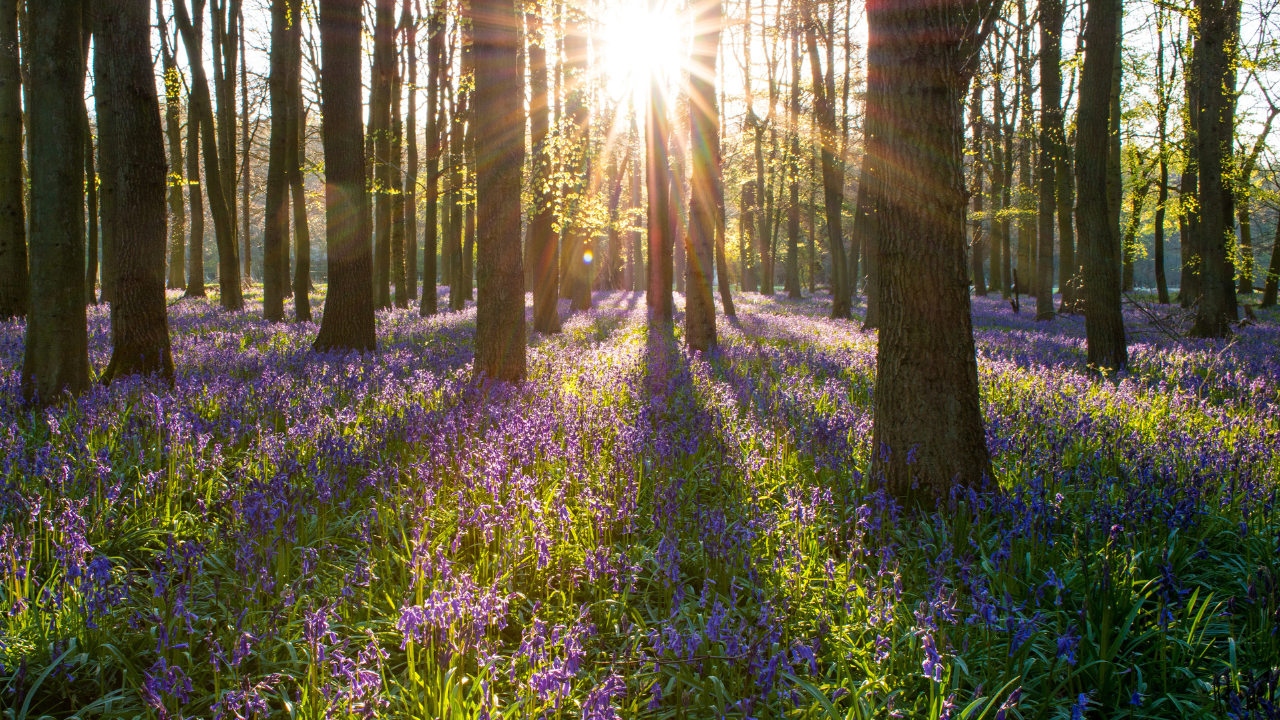
- Virginia Bluebells (Mertensia virginica): A standout in any shady garden, Virginia Bluebells are known for their blue flowers that bloom in early spring. They prefer moist soil and part shade, making them perfect for woodland plantings.
- Trillium (Trillium grandiflorum): Trilliums are stunning native perennials with three-petaled white flowers that bloom in early spring. They thrive in rich, moist soil under deciduous trees.

Edible Plants for Shady Gardens
Gardening in partial shade doesn’t mean you have to miss out on growing edible plants. Many leafy vegetables and other crops actually prefer cooler, shadier conditions, making them great for shady spots in your vegetable garden.
- Pole Beans: These vining beans can tolerate partial shade, especially if they get morning sun. They’re a great choice for shady gardens where sun-loving plants might struggle.
- Top Hat Blueberries: This compact blueberry shrub is container friendly and will produce fruit even in partial shade conditions. To view photos of top hat blueberry shrubs, or to see purchasing options, click here!
- Brussels Sprouts: A member of the cabbage family, Brussels sprouts are well-suited to partial shade and can tolerate cooler temperatures, making them perfect for shadier locations.

Evergreen Trees for Year-Round Interest
Evergreen trees can bring year-round structure and greenery to your garden. Many native species thrive in shady locations and are great for adding vertical interest to your landscape.
- Eastern Hemlock (Tsuga canadensis): This graceful evergreen tree thrives in shady areas and is well-suited to cool climates. Hemlocks can tolerate deep shade and are a great choice for planting under larger trees or in shady landscapes. Click here for more photos and purhcasing options for hemlock trees.
- American Holly (Ilex opaca): A native evergreen shrub, American Holly produces glossy green leaves and bright red berries. It thrives in part shade or full shade, making it a wonderful addition to shady spots in your garden. American Holly is a beautiful, native addition to any part-shade area of your yard.

Colorful Flowers for Rock Gardens and Shady Spots
If you’re looking to brighten up a rock garden or shady spot in your garden, there are several low-growing plants and blooming flowers that are perfect for these conditions.
- Siberian Irises (Iris sibirica): Known for their blue flowers, Siberian Irises are a striking addition to rock gardens or shady locations. They thrive in moist soil and part sun.
- Sweet William (Dianthus barbatus): A favorite for window boxes and flower beds, Sweet William blooms in late spring with clusters of colorful flowers. It prefers light shade or partial sun, making it ideal for shadier spots. This variety of dianthus boasts a hot pink to fire red bloom that will bloom in partial shade!

Planting in the Right Place
Choosing the right plant for the right place is crucial for success in shady gardens. When selecting plants for partial shade or full shade, consider factors like soil type, hours of sunlight, and moisture levels. By placing plants in the conditions they prefer, you’ll set them up for a good start and create a dream garden that will thrive for a long time.
- Soil Types: Some plants, like wild columbine or Virginia bluebells, prefer moist, well-drained soil, while others can tolerate dry shade. Make sure you’re familiar with the soil type in your garden and amend the soil as necessary to create the right conditions for your plants.
- Hours of Sunlight: Pay attention to how much sunlight different areas of your garden receive. A shady garden with morning sun might be perfect for plants like pole beans, while a spot with afternoon shade could be great for Virginia bluebells.

A Beautiful, Shady Garden for Years to Come
Creating a shady garden doesn’t mean sacrificing color, texture, or variety. With the right combination of native plants, you can enjoy a stunning, low-maintenance garden that provides beauty and habitat for local wildlife. Whether you’re planting colorful flowers, ferns, or edible plants, there’s a perfect plant for every shady spot.
Ready to take your shade garden to the next level? Sign up for our online native landscape design course, Wild Beauty, where you’ll learn how to create beautiful landscapes with native plants suited to your garden’s unique conditions. With over a decade of experience, Anna Ohler will guide you through the essentials of native plant design, ensuring your garden thrives for years to come.