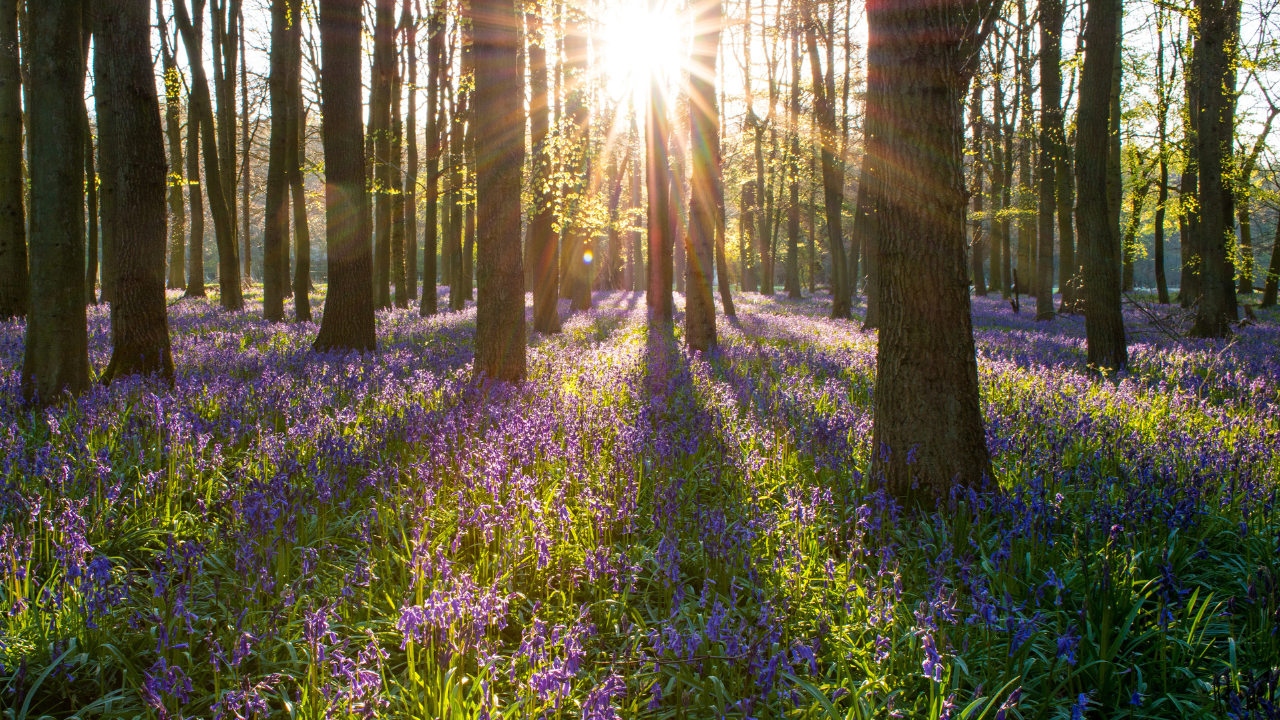
Native Shrubs for Shade in Zone 5: Shade-Tolerant Landscapes
Native Shrubs for Shade in Zone 5: Shade-Tolerant Landscapes
Designing a garden in a shady area can seem challenging at first, but using native shrubs adapted to shade can transform those darker corners into vibrant and ecologically rich landscapes. If you’re in USDA Hardiness Zone 5, you’re fortunate to have many beautiful native shrubs to choose from, each bringing a mix of ecological benefits, year-round interest, and compatibility with the local environment.
Incorporating native shrubs into your landscape not only creates a visually appealing garden but also supports local wildlife and contributes to the overall health of your garden ecosystem. These plants are adapted to your region’s climate, and because they evolved alongside local wildlife, they provide important food and shelter for birds, mammals, and pollinators. In this article, we’ll explore a variety of native shrubs for shade in Zone 5, highlighting their unique characteristics, planting requirements, and the role they play in a successful native plant landscape design.
Bright Lane Gardens is reader-supported. When you buy through links on our site, we may earn an affiliate commission. Thank you for your support!
Why Native Shrubs Matter in a Shade Garden
Native shrubs are an excellent choice for shade gardens because they are adapted to the specific light, soil, and moisture conditions found in these environments. They have evolved alongside other native woodland plants and wildlife, ensuring they can thrive in the partial shade, full shade, and varying moisture levels typical of shaded areas.
Beyond their adaptability, native shrubs provide critical ecosystem services such as soil erosion control, nutrient cycling through leaf litter, and habitats for small mammals, birds, and pollinators. By choosing native species, you’re helping to preserve biodiversity, improve soil health, and create a more sustainable garden.
Key Considerations for Selecting Native Shrubs for Shade
When designing a shady landscape in Zone 5, it’s important to consider several factors:
- Light Levels: Some shrubs tolerate deep shade, while others prefer partial shade. Understanding the amount of light your garden receives throughout the day is crucial.
- Soil Moisture: Many native shrubs thrive in moist soil, but some can handle dry shade. Make sure to select plants that suit your garden’s moisture conditions.
- Soil Type: Rich soil types with plenty of organic matter benefits most native shrubs. For some, like those that grow in wet soils, ensuring proper soil moisture is key to long-term success.
- Wildlife Value: Native shrubs support moth species, bumble bees, birds, and other wildlife, providing food, shelter, and larval host plants for caterpillars.
Now, let’s dive into some of the best native shrubs for shaded areas in Zone 5, perfect for home gardens and larger landscapes.
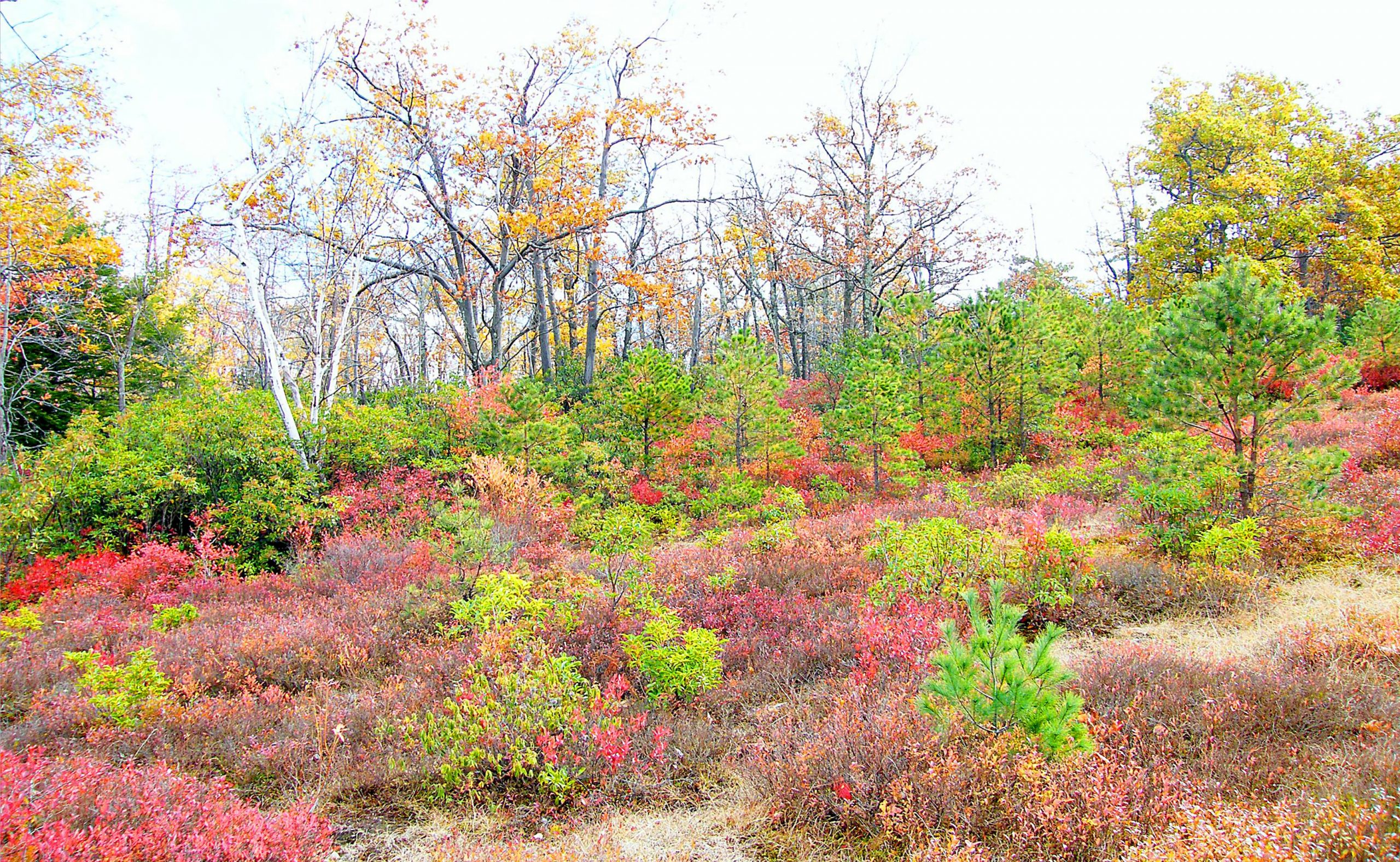
Fall Landscape
Top Native Shrubs for Shade in Zone 5
1. Spicebush (Lindera benzoin)
- Light: Partial shade to full shade
- Soil: Prefers moist soil; tolerates wet soils
- Wildlife Value: Larval host plant for spicebush swallowtail caterpillars
- Size: 6-12 feet tall, a large shrub
Spicebush is a beautiful deciduous shrub native to eastern North America, making it an excellent choice for shaded woodland gardens. In early spring, this shrub produces clusters of bright yellow flowers that attract early pollinators. Its golden yellow fall color adds to its year-round interest. Female plants produce red berries that are a valuable food source for birds in the fall. The plant thrives in moist woodlands and is especially beneficial as a larval host plant for spicebush swallowtail caterpillars.

2. Smooth Hydrangea (Hydrangea arborescens)
- Light: Partial shade to full shade
- Soil: Well-drained soil with medium moisture
- Wildlife Value: Attracts pollinators
- Size: 3-5 feet tall
The native smooth hydrangea is a reliable shrub for shade gardens. Its large, round clusters of white spring flowers bloom in late spring through early summer, providing a striking contrast against its beautiful foliage. The species adapts well to both moist soils and well-drained soil, making it a good choice for various garden settings. The blooms attract bumble bees and other pollinators, and the shrub itself is deer-resistant, making it a great addition to a shady garden with wildlife value.
The Annabelle Hydrangea is a popular smooth hydrangea choice for native gardeners. Click here to view more photos and growing/purchasing information for Annabelle Hydrangea!

3. New Jersey Tea (Ceanothus americanus)
- Light: Partial shade to full sun
- Soil: Prefers well-drained soil; tolerates dry soil
- Wildlife Value: High value to moth species and pollinators
- Size: 3-4 feet tall
New Jersey Tea is a versatile native shrub that adapts well to both part shade and full sun. This plant offers white flower clusters in late spring to early summer, attracting butterflies and bees. Its deep roots help stabilize soil and make it drought-tolerant, a good choice for dry soil in shady spots. Additionally, the plant supports several moth species and acts as a larval host plant for butterflies, making it an essential shrub for a native plant landscape design.

4. Red Buckeye (Aesculus pavia)
- Light: Partial shade
- Soil: Prefers moist soil; tolerates a range of conditions
- Wildlife Value: Attracts hummingbirds and other pollinators
- Size: 10-20 feet tall, a small tree
The red buckeye is a deciduous shrub or small tree that thrives in partial shade and adds dramatic color to the garden with its bright red flowers in early spring. These tubular blooms attract hummingbirds, butterflies, and bees, making it a high-wildlife-value plant. Red buckeye prefers moist soils, so it’s well-suited for planting in shady areas with consistent moisture.
To view more photos and growing information, along with purchasing options for red buckeye, click here!

5. Buttonbush (Cephalanthus occidentalis)
- Light: Partial shade to full sun
- Soil: Prefers wet soils; tolerates flooding
- Wildlife Value: Attracts bees and butterflies
- Size: 6-12 feet tall
The buttonbush is a deciduous shrub known for its round, fragrant white flowers that bloom in late summer. These blooms are not only visually striking but also attract bees, butterflies, and other pollinators. Buttonbush thrives in wet soil sites like lakeshores and along stream banks, making it ideal for moist woodlands and wet soils. It’s also deer-resistant and provides critical habitat for wildlife, adding to its value in a native plant landscape design.

6. Winterberry Holly (Ilex verticillata)
- Light: Partial shade to full sun
- Soil: Prefers moist soil; tolerates wet soils
- Wildlife Value: Provides food for birds in winter
- Size: 6-10 feet tall
Winterberry holly is a deciduous native shrub that adds vibrant red berries to the winter garden, offering year-round interest and a vital food source for birds. It prefers moist soil and tolerates wet conditions, making it an excellent choice for gardens with wet soils. In addition, its fragrant flowers in early summer attract pollinators. To ensure berries, plant both female plants and a nearby male pollinator.
To view purchasing options for male pollinator holly bushes, click here! To view more photos of native holly varieties, and learn more about growing conditions, click here.

7. Red-Twig Dogwood (Cornus sericea)
- Light: Partial shade to full sun
- Soil: Prefers moist soil
- Wildlife Value: Attracts birds, supports pollinators
- Size: 7-9 feet tall
The red-twig dogwood is known for its stunning red stems, which provide a splash of color in the winter garden when other plants are dormant. In late spring, this native shrub produces white flower clusters that attract pollinators. The shrub thrives in moist soils and can be planted along streambanks or in wet sites. Its dense growth also provides shelter for birds and small mammals, making it a high-wildlife-value plant for your shady landscape.
Check out purchasing options and view more photos of red twig dogwood shrubs here!

8. Mountain Laurel (Kalmia latifolia)
- Light: Partial shade to full shade
- Soil: Prefers acidic soil; tolerates dry shade
- Wildlife Value: Supports pollinators
- Size: 5-15 feet tall, depending on conditions
Mountain laurel is an evergreen shrub that adds elegance to any shaded garden with its glossy green leaves and showy pink blooms in late spring. It is tolerant of dry shade, making it a good choice for difficult areas in the garden where other shrubs may struggle. Mountain laurel prefers acidic soil and is a staple of native woodland landscapes, supporting a variety of pollinators while also being deer-resistant.

9. Highbush Blueberry (Vaccinium corymbosum)
- Light: Partial shade to full sun
- Soil: Prefers acidic soil and moist soil
- Wildlife Value: High value to birds and pollinators
- Size: 6-12 feet tall
The highbush blueberry is a versatile shrub for shaded gardens, providing not only delicious fruit but also year-round interest with its white spring flowers, bright green foliage in summer, and golden yellow or red fall color. It thrives in moist soils with a slightly acidic pH and is a great choice for gardeners looking to attract birds and pollinators to their garden. Its fruit is a favorite of both birds and humans, adding to its appeal in a native plant landscape design.
Edible perennials are SO IN this year! Add native blueberry bushes to your landscape and benefit from ecological benefits as well as edible fruit! Click here to check out a full list of highbush blueberry varieties and their growing needs.

10. Black Chokeberry (Aronia melanocarpa)
- Light: Partial shade to full sun
- Soil: Prefers moist soil; tolerates wet soils
- Wildlife Value: Provides food for birds, supports pollinators
- Size: 3-6 feet tall
Black chokeberry is a deciduous shrub known for its hardiness and adaptability. It produces small white flower clusters in spring followed by black berries in the fall that are highly nutritious for birds. This shrub is also valued for its high wildlife value, providing food for various bird species while supporting pollinators with its blooms. Black chokeberry grows well in moist soil and tolerates wet conditions, making it ideal for shady areas with poor drainage.
Check out additional photos, growing information, and purchasing options for black chokeberry shrubs here!

Incorporating Native Shrubs into Shady Landscape Designs
Creating a functional and visually appealing landscape in shady areas requires thoughtful planning, and native shrubs play a vital role in achieving that balance. Whether you’re designing a shade garden under mature deciduous trees or enhancing a wooded area near your home, incorporating native shrubs not only adds layers of texture and color but also supports local ecosystems.
Below are some key strategies to integrate native shrubs into a shady landscape design, with a focus on balancing aesthetics, wildlife support, and practical considerations for maintenance.
1. Layering Plants for Depth and Texture
A well-designed shady landscape often incorporates layers of plants, creating visual depth and ecological diversity. Native shrubs can serve as the middle layer between ground cover and native trees or tall evergreen shrubs.
- Tall Shrubs as Backdrop: Shrubs like red buckeye and highbush blueberry, which can reach heights of 10 to 20 feet, work well as background plants, providing a lush backdrop and structure in part shade or deep shade areas. These taller shrubs also serve as privacy screens or windbreaks in the garden.
- Medium Shrubs for Focal Points: Medium-sized shrubs, such as black chokeberry or smooth hydrangea, are excellent for creating focal points in the garden. Their attractive blooms—such as white flower clusters in late spring or pink blooms in summer—draw attention and bring seasonal interest to the shaded space.
- Low Shrubs for Ground Level Interest: Low-growing shrubs like new jersey tea and lowbush blueberry (2-4 feet tall) can be used at the front of beds or along pathways. These shrubs also offer high wildlife value, attracting pollinators, birds, and small mammals while providing ground-level texture.
2. Matching Shrubs to Moisture Conditions
Not all shady areas have the same soil moisture levels, so understanding the specific needs of each shrub will ensure they thrive in your landscape.
- Moist, Shady Spots: Areas with moist soil can benefit from moisture-loving shrubs such as buttonbush or winterberry holly. These wet site specialists thrive in wet soils near stream banks or low-lying areas. Their vibrant blooms in late summer and fall color create a stunning effect in areas that often remain damp.
- Dry, Shady Areas: For spots with dry soil under large trees or where rainwater may not easily reach, shrubs like mountain laurel and new jersey tea are excellent choices. Both shrubs tolerate dry shade and have beautiful foliage and blooms that brighten up difficult-to-plant areas.
3. Creating Wildlife-Friendly Zones
Incorporating native shrubs into a shady landscape is an excellent way to enhance the ecological health of your garden. These shrubs provide critical food, shelter, and nesting sites for a variety of wildlife.
- Wildlife Corridors: To attract and support local fauna, consider planting clusters of native shrubs that act as wildlife corridors. Shrubs like red-twig dogwood, black chokeberry, and spicebush provide berries and shelter for birds, while shrubs like highbush blueberry serve as larval host plants for butterflies and moths.
- Layered Planting for Shelter: Planting shrubs of varying heights provides cover for small mammals and nesting sites for birds. A well-layered native plant landscape allows wildlife to find food and shelter throughout the year, enhancing the biodiversity of your garden.
4. Color and Seasonal Interest
Even shady gardens can be filled with color when using native shrubs. Many of these plants offer colorful foliage, berries, or blooms that enhance your garden’s aesthetic appeal.
- Early Spring Blooms: Spicebush brings bright yellow blooms in early spring, providing one of the first splashes of color in shaded areas. Paired with the white flower clusters of new jersey tea, these early bloomers can brighten a garden just as the growing season begins.
- Summer and Fall Highlights: For year-round interest, choose shrubs like buttonbush with its fragrant white flowers in late summer, or black chokeberry which produces berries in fall that transition into stunning fall color. Both bring excitement to the garden when other plants may be winding down for the season.
- Winter Garden Appeal: Some shrubs, like red-twig dogwood, provide winter garden interest with their striking red stems. Winterberry holly also offers brilliant red berries that stand out against the muted tones of a winter landscape, adding seasonal color and providing food for birds during colder months.
5. Combining Shrubs with Ground Covers and Perennials
To create a lush, cohesive look in your shady landscape, consider pairing native shrubs with native ground covers, woodland perennials, and prairie plants that can thrive in shaded conditions.
- Evergreen Shrubs and Ground Cover: Mountain laurel, an evergreen shrub, can be paired with low-growing ground covers like wild ginger or foamflower to create a carpet of greenery year-round. This helps fill in gaps and reduces the amount of exposed soil, which can lead to erosion.
- Mixing with Shade-Loving Perennials: Add depth and texture to your design by combining native shrubs with other shade-friendly perennials like solomon’s seal, wild columbine, or ferns that thrive in partial shade or deep shade. These perennials can help soften the lines of the shrubs and fill in between them, creating a layered, dynamic landscape.
6. Designing for Maintenance and Long-Term Growth
When planning your shady native landscape, it’s important to consider how your shrubs will grow over time and how they’ll be maintained.
- Pruning and Shape Management: Many native shrubs benefit from occasional pruning to maintain their shape and encourage new growth. For example, spicebush may need pruning every few years to keep it from becoming too leggy, while buttonbush can be shaped to control its size.
- Mulching with Leaf Litter: Utilize leaf litter from nearby trees to mulch around your shrubs. This not only provides natural nutrients to the soil but also mimics the forest floor conditions these shrubs are accustomed to, helping to retain moisture and regulate soil temperature.
- Water and Soil Considerations: While many native shrubs can handle dry conditions once established, newly planted shrubs will need consistent moisture to develop strong roots. Adding organic matter to the soil during planting will improve moisture retention, especially in dry shade areas.

Round Out Your Shade-Friendly Landscape with Native Plants!
Choosing the right native shrubs for shaded areas in Zone 5 is an essential part of creating a thriving and sustainable native plant landscape design. These shrubs not only enhance the beauty of your garden but also provide valuable habitat and food for local wildlife, from birds to pollinators. By selecting species adapted to your garden’s light levels, soil moisture, and growing season, you can enjoy a vibrant garden year-round while supporting the ecosystem.
Whether you’re looking for shrubs with fragrant white flowers for spring, like the flowers of buttonbush, or those with bright yellow fall color, like spicebush, there is a native shrub suited to every garden condition. From deciduous trees to evergreen trees, these plants provide year-round interest and enhance the ecological function of your landscape.